Just like that simple piece of cloth, this icon is a vibrant beacon of hope that stands out against a weathered, complicated world. It is a visual promise that no matter how long or far someone has wandered, they are always remembered, and there is a warm welcome waiting for them on the other side of the threshold.

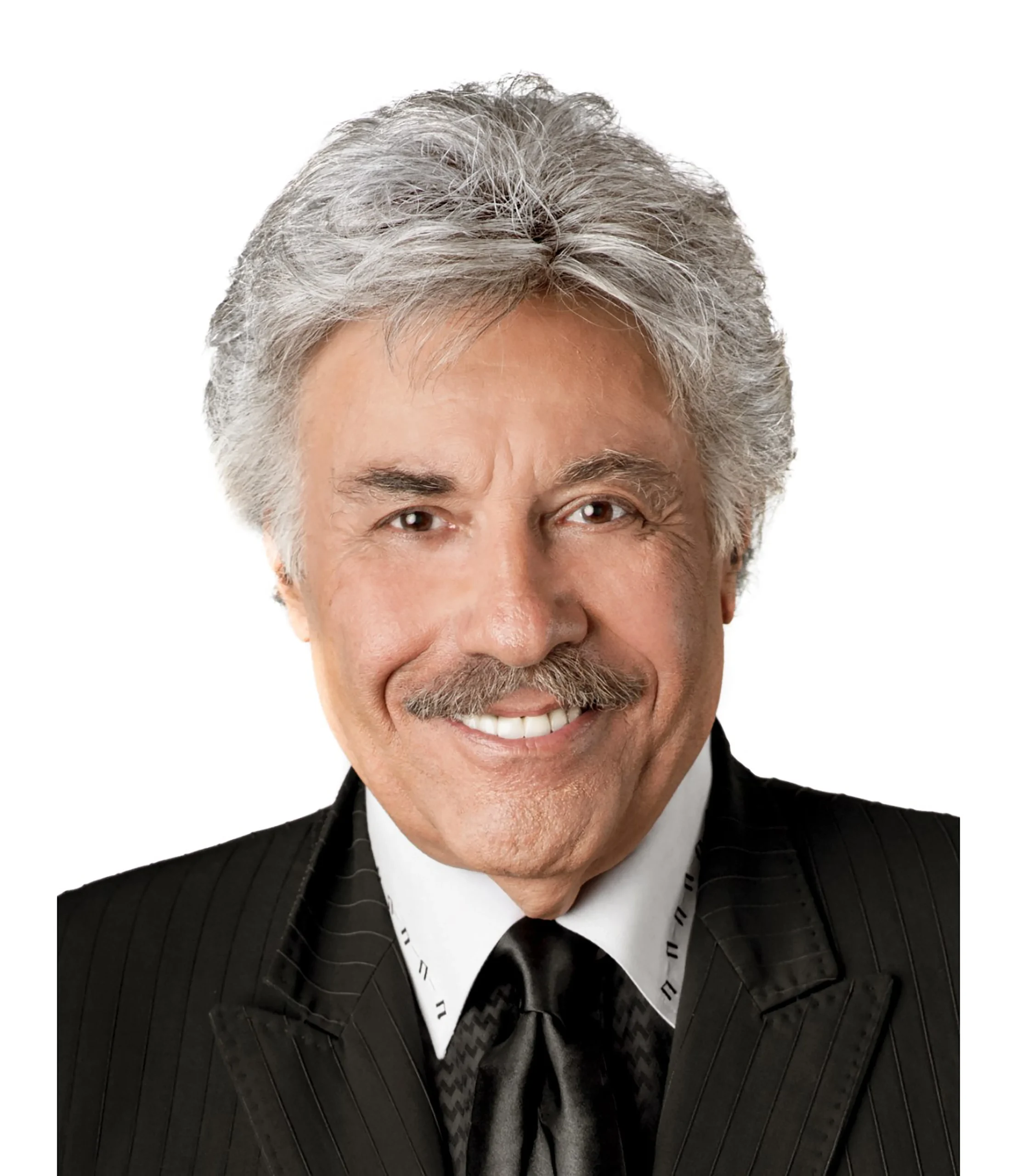
There are voices that don’t just soundtrack an era — they become part of the country’s emotional memory. Tony Orlando’s is one of them. On September 20, 2026, that six-decade legacy will be honored in full when Orlando receives the Icon Award at the 12th Annual Josie Music Awards, held at the Grand Ole Opry House in Nashville.
The Icon Award is reserved for artists whose influence has outlasted trends, charts, and even generations, and few careers fit that description more completely than Orlando’s. He first found stardom in the 1950s and rose to household-name status in the 1970s as the voice behind Dawn, with hits like “Candida” and “Knock Three Times” turning him into one of pop music’s most beloved figures.
But it was “Tie a Yellow Ribbon Round the Ole Oak Tree” that transformed Orlando from hitmaker into something closer to a national symbol. The song became an anthem of homecoming — for prisoners of war, for hostages, for service members returning from deployment — and its yellow ribbon has endured for decades as a universal sign of hope and welcome. It is a rare thing for a three-minute song to become a piece of American folklore, and Orlando has spent much of his career living up to that legacy rather than resting on it.

That legacy carried him far beyond the recording studio. Orlando built acclaimed residencies in Las Vegas and Atlantic City, earned praise for his work on Broadway, and became one of the most recognizable entertainers of his generation. He later made Branson, Missouri, his home, headlining for years at his own Yellow Ribbon Theatre and becoming a fixture of the local entertainment community. Orlando retired from touring in 2024, but he never stepped away from the causes closest to his heart.
Chief among them is Branson’s Veterans Week, an event Orlando helped build hand-in-hand with local leaders into one of the nation’s most meaningful tributes to those who served. It is, in many ways, the natural extension of “Tie a Yellow Ribbon” itself — a lifelong artist using his platform to make sure veterans are seen, honored, and welcomed home.
The Icon Award adds to a career already lined with recognition, but it arrives at a moment that feels especially fitting. Orlando’s music has never simply been about nostalgia; it has been about connection — between generations, between hardship and hope, between a soldier and the ribbon tied for their return. On September 20 in Nashville, the music industry will pause to say, in effect, what that ribbon has always meant: welcome home, and thank you.