Men’s loafers – why do they matter?
Loafers have been around for centuries. When it comes to dress shoes, they make a versatile addition to any man’s wardrobe.
The best part? They can easily replace the sandals and crocs (If you’re so unfortunate as to own them) in your wardrobe. A pair of loafers can easily be integrated into your summer wardrobe.
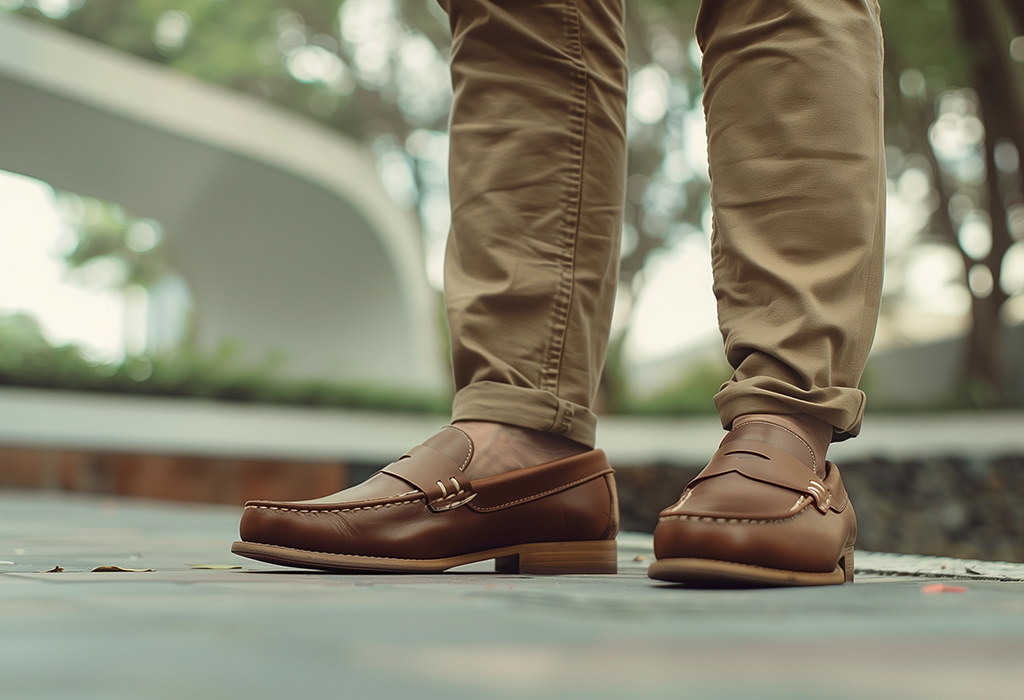
That’s the theme here, gentlemen: Summer. Today I’m introducing you to men’s loafers. We’re going to talk a little history, a little style, and why you need them this season.
- The Basics – Defining a Men’s Loafer
- Which Loafer Style is Best For You?
- How To Wear Men’s Loafers This Summer
- Why Men’s Loafers Are The Best For Summer
Alright gentlemen, let’s get started.
1. The Basics – Defining a Men’s Loafer
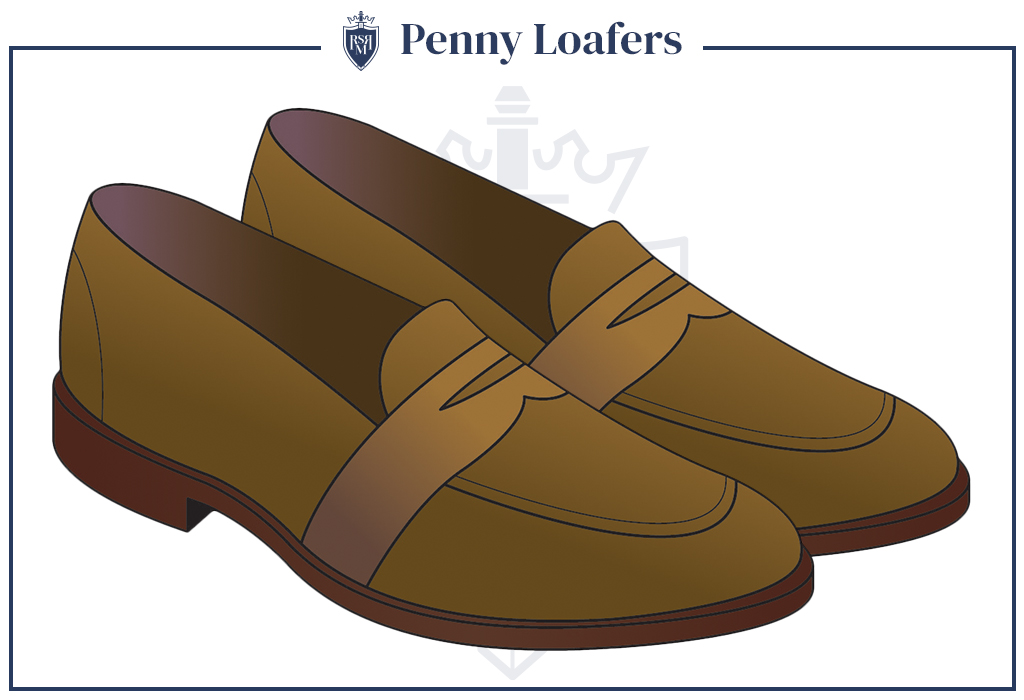
Before we go in deep, we need to know what we’re dealing with. So, what is a men’s loafer?
Loafers are a kind of dress shoe that easily slip on and off your foot. They have broad, flat heels and are made with leather. They also use no laces or buckles, since that would defeat the purpose of a loafer.
Loafers History
Loafers have a fascinating story. They were born out of combining traditional Native American moccasins and Norwegian peasant slippers. The first company to produce traditional loafers was G.H. Bass, a brand that had been around since 1876.
George Henry Bass – its founder – released them in 1936 as “Weejuns,” a play on “Norwegian” to denote their cultural heritage.
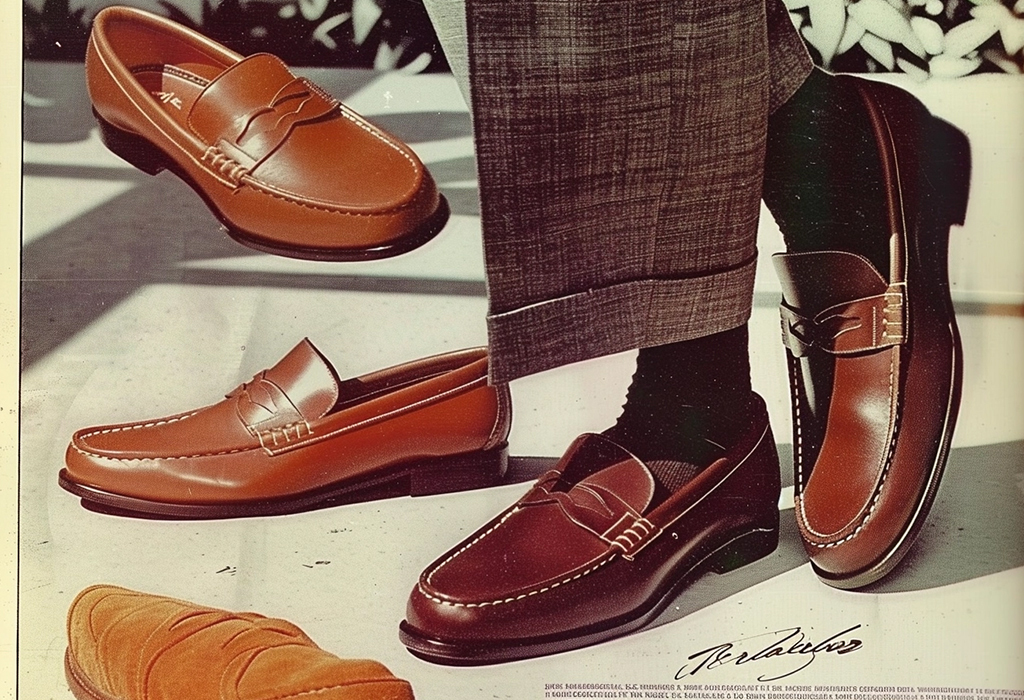
The shoe took off in the United States. It was adopted swiftly by Ivy League students, who dubbed them “Penny Loafers” due to the fact they slipped a penny into the seam on the shoe’s Upper to be used for pay phones.
The style of men’s loafers hasn’t changed much since the very first Weejuns, setting them apart as a timeless classic.
2. Which Men’s Loafer Is Right For You?
Over the years, several variations of the loafer evolved to accommodate men with various tastes.
Which can work for you?
The answer is all of them.
Why? Loafers are all casual dress shoes. They are meant to be worn in in a similar context to dress boots – smart, but casual. No matter the variant, they all serve the same purpose – have at it, gents.
The Wildsmith Loafer
The Wildsmiths have been around since 1926 when the company – originally specializing in army cavalry boots – designed a house shoe for King George VI.
The King wanted a pair of casual, yet elegant shoes he could wear on his property for activities like shooting.
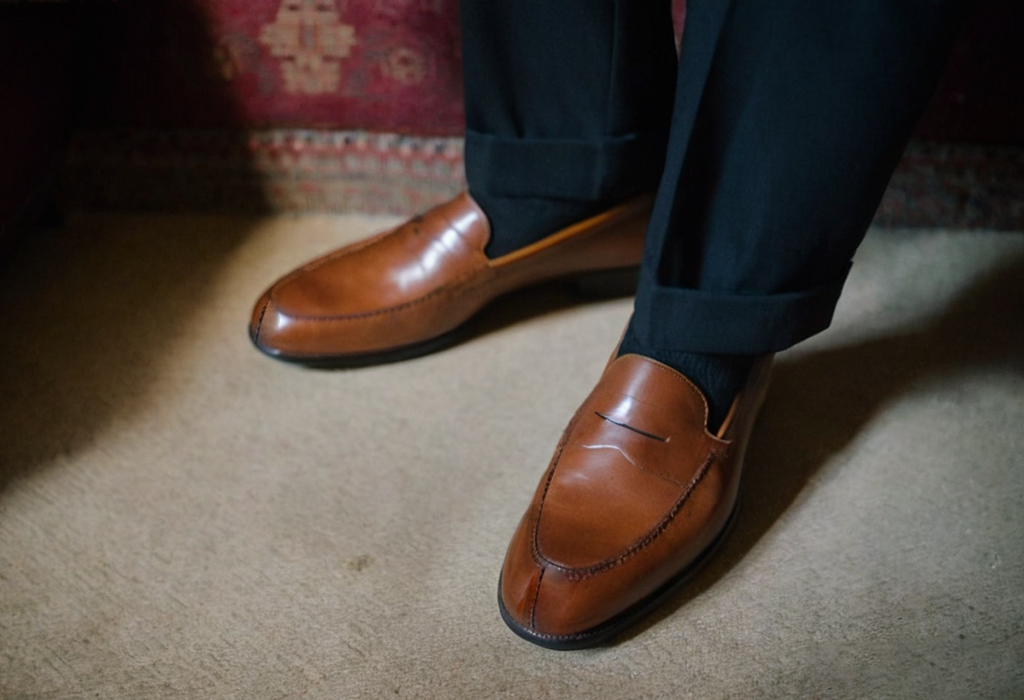
How is the Wildsmith different? It uses a serrated seam with vertical stitching over the toe. This gives the shoe a more sleek and elegant look.
Though they aren’t considered the first official men’s loafers to be released, they certainly fit the bill now.
Aurland Loafers
Like the original Weejuns, Aurland men’s loafers came into prominence in the 1930s. It takes inspiration a little more directly from traditional moccasins.
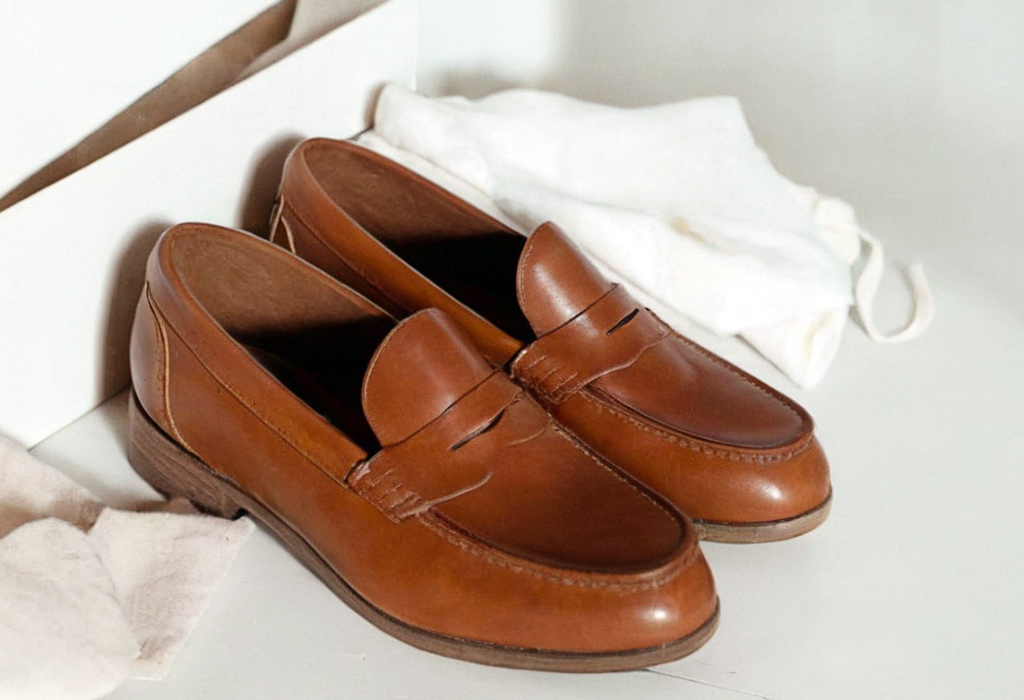
Like its progenitor, the Aurland has a raised seam to give it a more boxy look as well as a narrow cut over the saddle of the shoe.
Tassel Loafers
These loafers exploded in the US following World War II. So much so, that they became a favorite of President Harry Truman.
Here is where cultures start to clash. Americans tend to consider the tasseled men’s loafer to be capable of holding its own in black-tie situations. However, the British sneer against this.
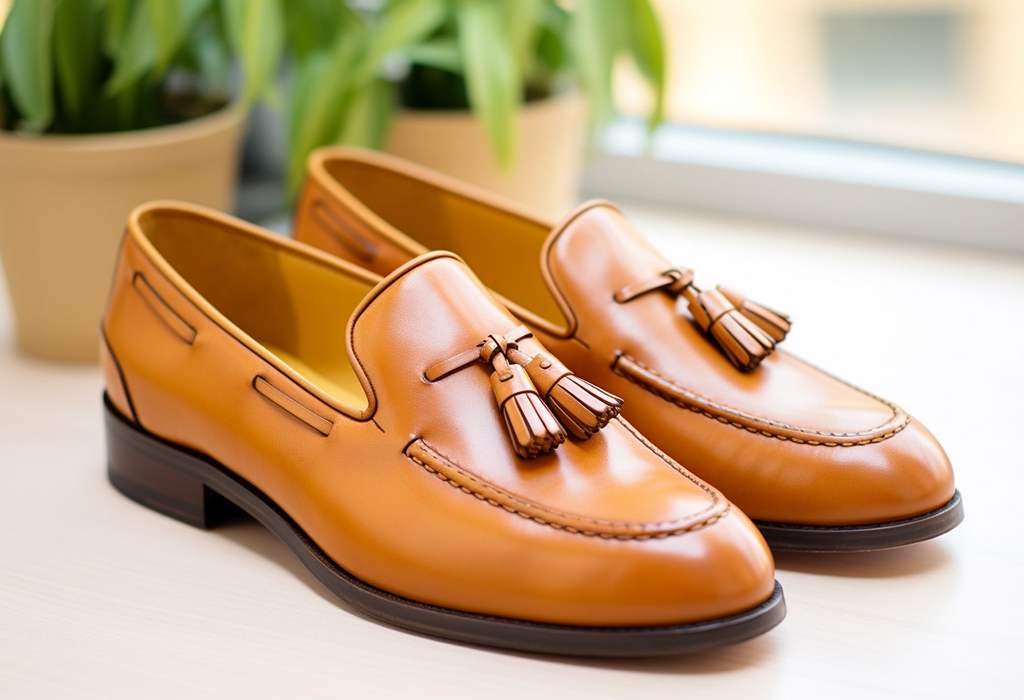
My recommendation is to err on the side of casual. it’s much more suited for a night out with friends.
Kilted Loafers
Though they fell out of style in the 70s, “Kilties” are seeing a resurgence in classic menswear. Their unique look is inspired by Oxford brogues and Scottish golf shoes.
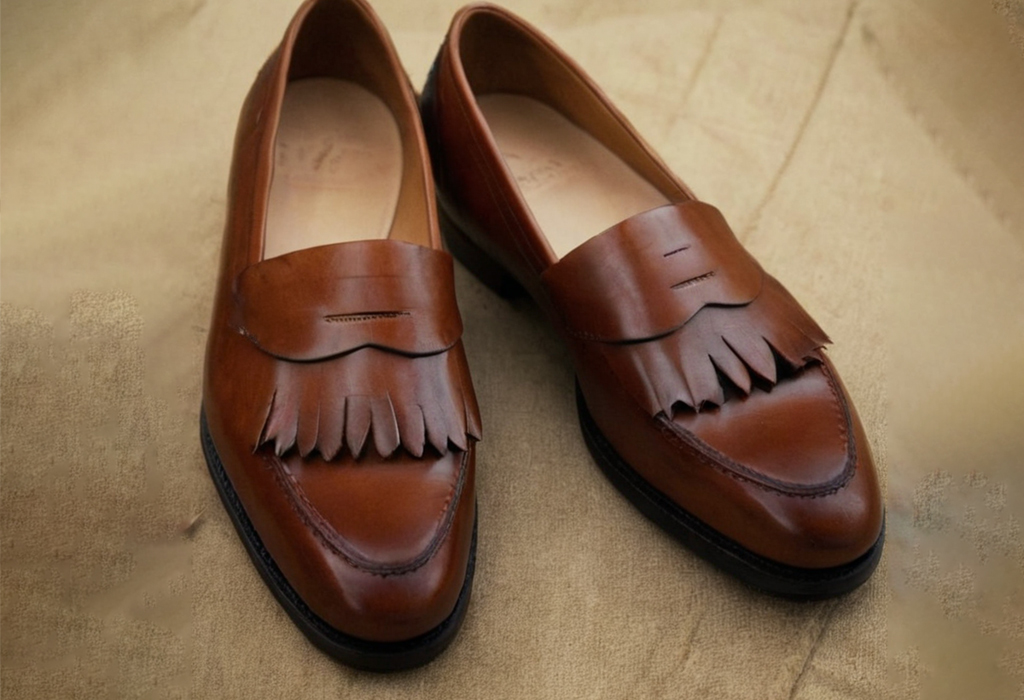
These are definitely suited for a day of lounging at the country club.
Horsebit Loafers
Italian designer Aldo Gucci debuted these stunning men’s loafers in 1943.
There are a few key differences between these and other loafers. For one thing, Gucci was the first to design loafers in black. More importantly, he added a metal horsebit over where the penny keeper would have been.
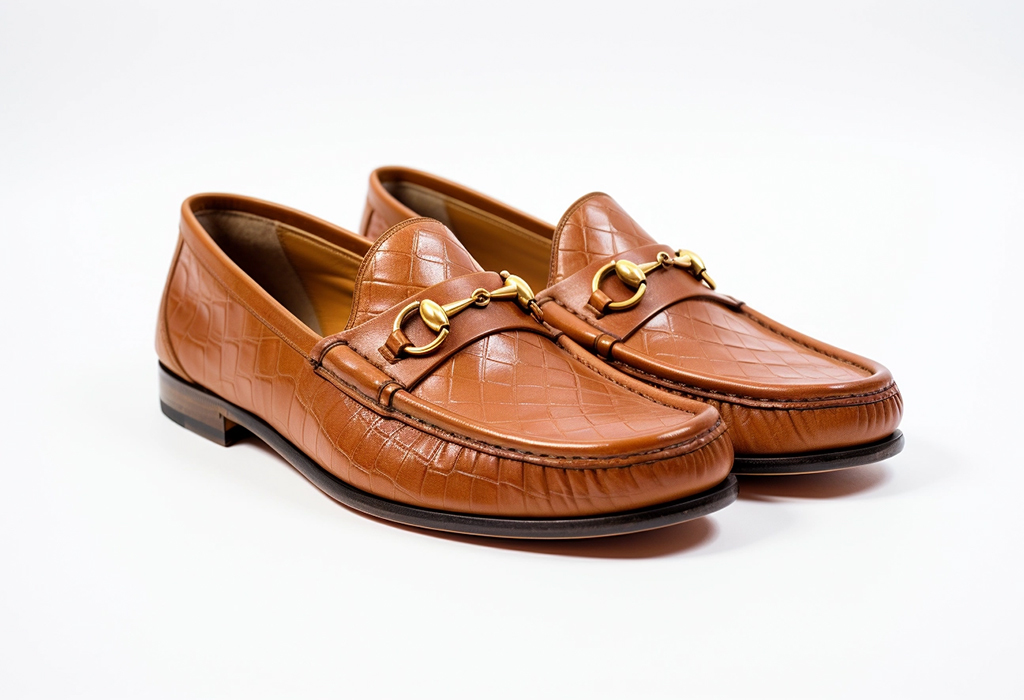
For these reasons, horsebit loafers are considered a little more elegant than their counterparts. While still a fundamentally casual dress show, it can serve you well if your office dress code is business casual and it’s the summer.
Belgian Loafers
Last, but not least – we have the Belgians.
In 1954, Henri Bendel purchased two 300-year-old factories in Belgium. His contribution to the world was a men’s loafer with a small bow sewn into the top.
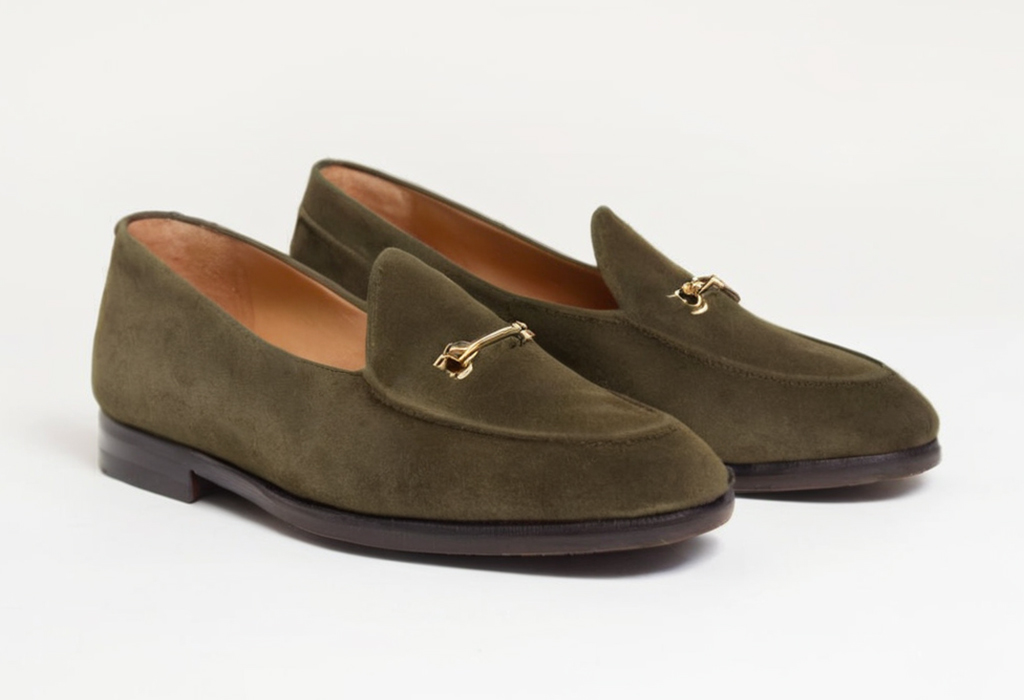
It became an instant hit. Bendel’s shoe single-handedly saved the Belgian shoe industry. He was awarded two Knighthoods for the deed: The Knightship of The Order of Leopold I in 1964, and Knight Commander of The Order of Leopold II six years later.
#rmrs-loafers *{box-sizing:border-box;margin:0;padding:0;}
#rmrs-loafers{
–navy:#14213d; –navy2:#1f335c; –cream:#faf6ec; –cream2:#f1e9d6;
–gold:#c9a24b; –ink:#2a2a2a; –line:#e2d7bd;
font-family:-apple-system,BlinkMacSystemFont,”Segoe UI”,Roboto,Helvetica,Arial,sans-serif;
color:var(–ink); max-width:820px; margin:32px auto; padding:0 4px; line-height:1.5;
-webkit-font-smoothing:antialiased;
}
#rmrs-loafers .lf-title{
text-align:center; color:var(–navy); font-size:22px; font-weight:800;
letter-spacing:.2px; margin-bottom:4px;
}
#rmrs-loafers .lf-sub{
text-align:center; color:#6b6250; font-size:13px; margin-bottom:18px; font-style:italic;
}
#rmrs-loafers .lf-scroll{overflow-x:auto; -webkit-overflow-scrolling:touch;
border-radius:12px; box-shadow:0 6px 22px rgba(20,33,61,.12);}
#rmrs-loafers table{
width:100%; border-collapse:collapse; background:var(–cream);
min-width:640px; font-size:14.5px; overflow:hidden; border-radius:12px;
}
#rmrs-loafers thead th{
background:var(–navy); color:#fff; padding:14px 12px; text-align:left;
font-size:12px; font-weight:700; vertical-align:middle; border:none;
text-transform:uppercase; letter-spacing:.6px;
}
#rmrs-loafers thead th:first-child{background:var(–navy2); color:var(–gold);}
#rmrs-loafers tbody th{
background:var(–cream2); color:var(–navy); font-weight:800; text-align:left;
padding:12px; font-size:14px; border-top:1px solid var(–line);
white-space:nowrap; vertical-align:top;
}
#rmrs-loafers tbody td{
padding:12px; border-top:1px solid var(–line); vertical-align:top; color:var(–ink);
}
#rmrs-loafers tbody tr:nth-child(even) td,
#rmrs-loafers tbody tr:nth-child(even) th{background:rgba(201,162,75,.06);}
#rmrs-loafers .lf-dress{font-weight:700; color:var(–navy2); white-space:nowrap;}
#rmrs-loafers .lf-bottom th{background:var(–navy); color:var(–gold);}
#rmrs-loafers .lf-bottom td{background:var(–navy); color:#f4efe2; font-size:14px;}
#rmrs-loafers .lf-note{
font-size:12px; color:#8a8071; text-align:center; margin-top:12px; line-height:1.5;
}
@media(max-width:640px){
#rmrs-loafers .lf-title{font-size:19px;}
#rmrs-loafers table{font-size:13px;}
#rmrs-loafers thead th{padding:11px 9px;}
#rmrs-loafers tbody th,#rmrs-loafers tbody td{padding:10px 9px;}
}
| Style | Origin | Signature detail | Dress level | Best for |
|---|---|---|---|---|
| Penny (Weejun) | USA · G.H. Bass, 1936 | Leather strap with a slot across the vamp | Versatile | Your first pair — chinos to business-casual |
| Wildsmith | England, 1926 | Serrated seam, vertical stitching over the toe; slim last | Dressier | Smart-casual with tailored trousers |
| Aurland | Norway, 1930s | Raised, boxy moccasin seam; narrow saddle | Casual | Rugged looks with denim or chinos |
| Tassel | USA, post-WWII | Two leather tassels on the vamp | Smart-casual | A night out; the office if the code allows |
| Kilted | UK heritage | Fringed leather “kiltie” over the vamp; brogue-inspired | Casual | Relaxed weekends, country-club energy |
| Horsebit | Italy · Gucci | Metal horsebit snaffle across the vamp | Dressier | Business-casual summer — the dressy pick |
| Belgian | Belgium · Bendel, 1954 | Small bow at the top; soft, unstructured build | Dressy-casual | Low-key, refined luxe |
| Start here | New to loafers? A brown penny or a tan suede pair covers nine out of ten summer outfits. Buy that first, then branch out. | |||
Dress levels are a starting point — fit, color, and the rest of your outfit move any loafer up or down the scale.
3. How To Wear Men’s Loafers This Summer

Owning a pair of loafers and wearing them well are two different things. Here’s how to actually build a summer outfit around them.
Start with your trousers, because that’s what most guys get wrong. Your pants should break cleanly at the shoe or stop just above it — a slight crop that shows a sliver of ankle looks intentional. Chinos, linen trousers, and tailored shorts all work, and so does dark denim.
What kills the look is a long, pooling hem that swallows the shoe. If your trousers are dragging on the ground, take them to your tailor for a taper and a hem before you blame the shoes.
Then lose the visible socks. In summer you want no-show socks — they keep sweat off the leather without breaking the clean line at your ankle, and that sweat is exactly what rots a shoe from the inside. Bare feet are fine for a quick errand, but no-show socks are the smarter default. We settled that debate here: Wearing Shoes Without Socks: Sharp Look Or Sweaty Mistake?
Last, match the shoe to the room. A suede or penny loafer with chinos reads weekend and smart-casual. A horsebit or a clean leather loafer with tailored trousers holds its own in a business-casual office. Get the dress level right and the loafer does the rest — and if you want to push into bolder summer colors, that’s next.
4. Why Men’s Loafers Are The Best Summer Shoes
As we close into the height of summer, high tops and dress boots become increasingly impractical. Sure they look cool but covering your ankles in leather is guaranteed to make you hate being outside.
As I mentioned earlier, loafers fulfill a similar role in outfits as do dress boots, in that they make an otherwise-casual look more elegant.
Lightweight and easygoing, the loafer is the perfect summer shoe
if you wear no-show socks (you should), then loafers give your ankles and feet more breathing room. In addition to that, they are far lighter than other shoe types – making them less cumbersome in the heat.
Men’s loafers are also the best kind of shoe to try new, summery colors with. Take a risk with powder blue, green and red suede, or burgundy.
Needed a shoe you can take risks with? Look no further.
Regardless of what kind of loafer you decide to go with, you can’t go wrong. They carry with them an impressive story and cultural heritage. It truly is the best summer shoe.
Common Questions About Men’s Loafers
Do men’s loafers run big? Should I size down?
Usually, yes. With no laces to cinch things up, a loafer holds your foot by the fit alone — so most guys go down about half a size from their sneaker size. The heel should hug and stay put, not slip out with every step. Planning to wear them sockless all summer? Size for that, because leather sitting against bare skin needs to start a touch snugger; it’ll give a little as you break it in.
Can you wear loafers without socks?
In summer, that’s half the appeal. Wear no-show socks so you keep the clean ankle line without soaking the leather in sweat — and sweat is what wrecks a shoe from the inside. Bare feet are fine for a quick coffee run, but no-show socks are the smarter default.
Can you wear loafers with a suit?
Yes, if you pick the right pair. A sleek leather loafer — a Wildsmith, a horsebit, or a clean penny — works with an unstructured summer suit. Keep the chunky, casual styles like kilties for denim and chinos.
Suede or leather loafers for summer?
Suede. It’s softer, breathes better, and reads more relaxed — exactly what summer calls for. Keep a suede brush handy and stay out of heavy rain, and a good pair will carry you clean through the season.
The post Summer Style Classics: A Guide To Men’s Loafers appeared first on Real Men Real Style.