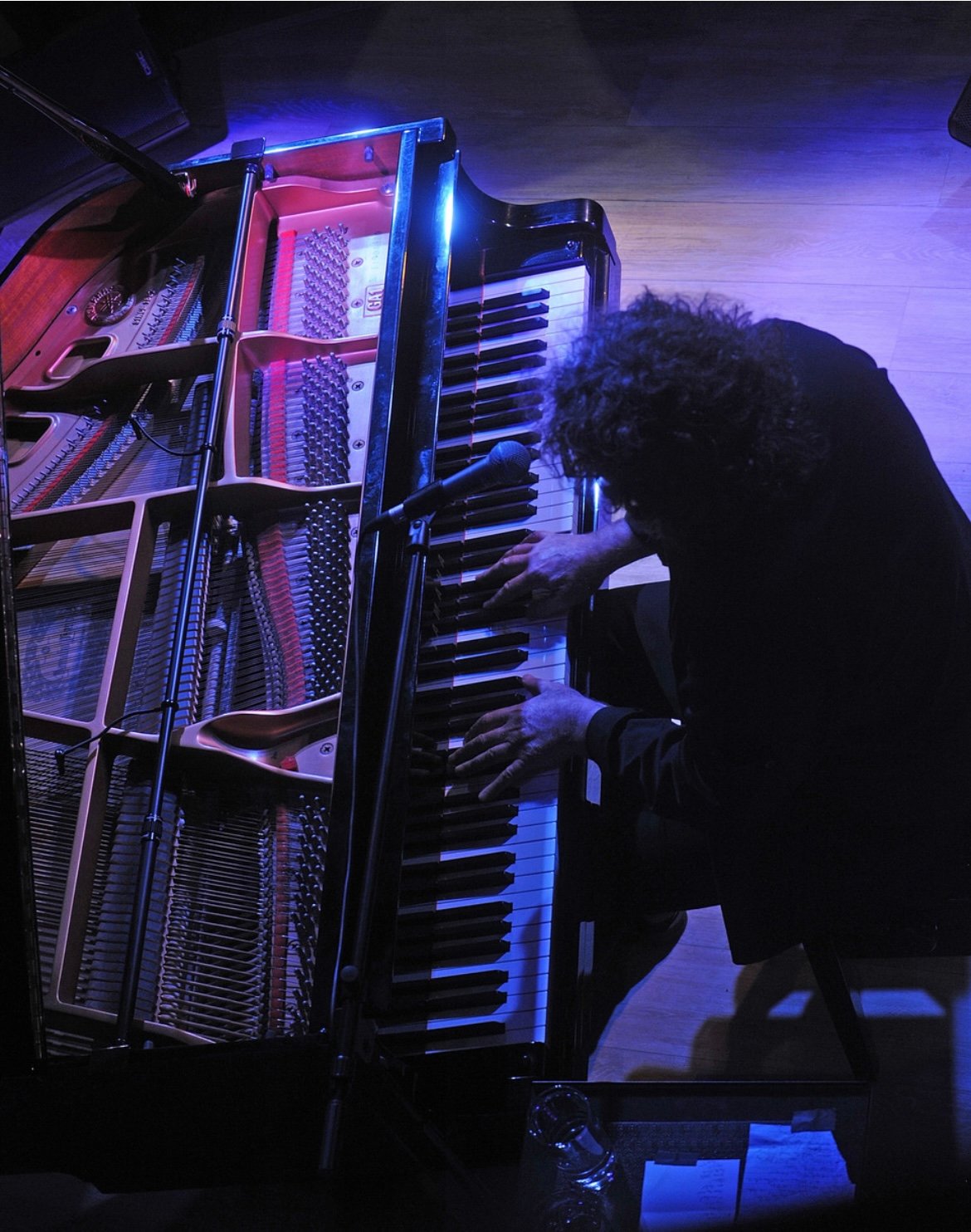
When I hear music, I fear no danger. I am invulnerable. I see no foe. I am related to the earliest times, and to the latest. …Henry David Thoreau
From the first hollowed bone pierced with careful intention to the thunder of modern arenas, music has always been the invisible thread stitching humanity together. No society on Earth is devoid of it. From the flutes and rattles of isolated Amazonian tribes to the mass gatherings of festivals like Lollapalooza, music exists wherever human beings exist. Its origin will forever remain a mystery, born long before written language or recorded history could capture it.

The oldest known instrument, the Divje Babe Flute discovered in Slovenia in 1995, carved from a cave bear femur and dated back some 50,000 years, suggests that even Neanderthals may have felt the need to shape breath into song. The oldest known melody, the Hurrian Hymn — inscribed in cuneiform on a clay tablet over 3,400 years ago — can still be played today. Imagine that: a song surviving millennia, crossing empires, languages, and extinction itself. Music endures because it speaks to something deeper than time.
And that enduring current flows directly into the life and work of Randy Edelman.
Edelman’s music, whether written for the intimacy of a piano or the sweeping grandeur of a full orchestra, taps into that same ancient instinct — the human need to feel, to remember, to rise. Long before awards and standing ovations, before Carnegie Hall or the silver screen, there was simply melody. There was simply emotion shaped into sound.

From his iconic film scores for The Last of the Mohicans, Gettysburg, The Mask, and My Cousin Vinny, to timeless songs like “Weekend in New England” and “21 Again,” Edelman doesn’t merely compose — he connects. His themes swell with the same emotional urgency that must have stirred our earliest ancestors to carve holes into bone and blow air through them. The scale may have evolved; the impulse has not.
Today, music’s importance is universally acknowledged. It is taught in schools, used in advertising, integrated into psychotherapy, and woven into every rite of passage. But beyond institutions and industries, music remains personal. Anyone who has listened to a favorite song while feeling lost or alone understands its quiet power to lift the spirit.
That is where Edelman’s genius lives — in that lift.
When his orchestra rises or his piano begins a medley of his cinematic scores, audiences are not just hearing compositions; they are participating in a continuum that stretches back tens of thousands of years. A single note can summon memory. A chord progression can ignite courage. A melody can heal.
In a world that often feels fragmented, Randy Edelman stands in the long lineage of those who understand that music is not decoration — it is survival. It is celebration. It is communion.
From a Neanderthal flute in a cave to a modern concert hall filled with applause, the story remains the same: humans make music because we must.
And artists like Randy Edelman remind us why.
Concert Dates: 2026
March 13 -7:39- Cinema Arts Center Huntington NY
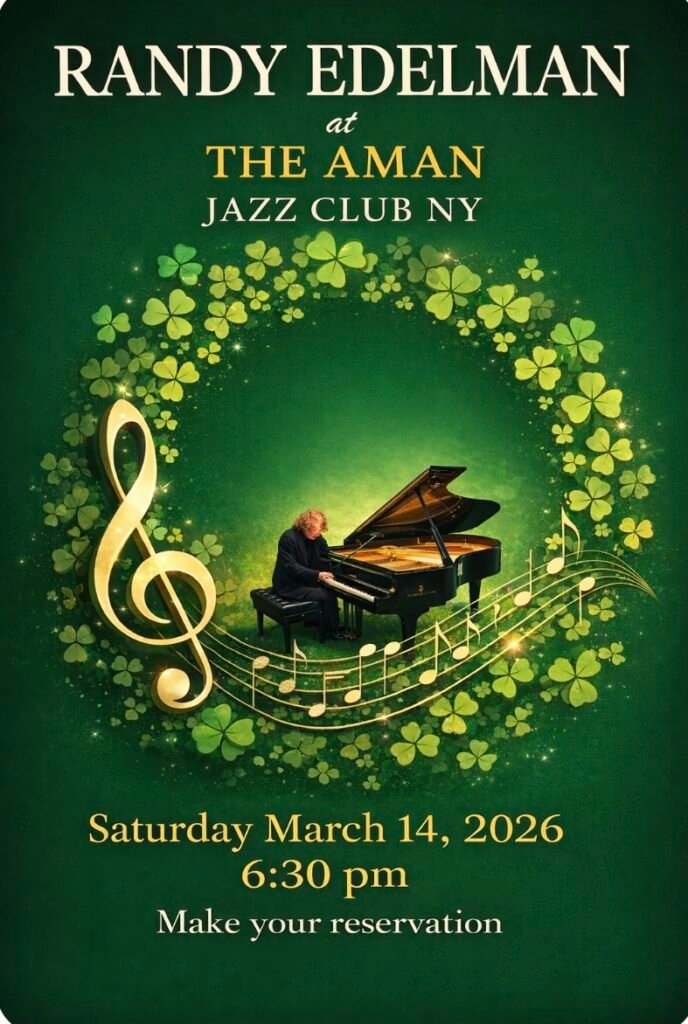
March 14 -6:30- Aman’s Jazz Club NY
June 26 – 8:00- Jazz at Lincoln Center NYC
December 19 – 8:30 – Carnegie Hall NYC
Watch for More Dates