
Her new single explores betrayal, divorce and the difficult business of telling your own story.
A relationship can end long before the arguments stop running through your head. There are conversations you replay, explanations you no longer believe and small moments that look different once you know what was happening. The separation itself may have a date. Making sense of it rarely does.
That unsettled territory is the subject of Esosa Gabrielle’s “Guilty,” released October 8, 2026. Drawing on the personal circumstances surrounding a broken relationship, the single addresses infidelity, divorce and the consequences of betrayed trust. Those are uncomfortable subjects to put into public view, particularly when the person telling the story has lived through them.
The title gives the listener plenty to consider before the music even begins. “Guilty” is a verdict, a word that seems to settle an argument. Relationships tend to leave a less orderly record. Someone can know exactly why they left and still miss the life they thought they had. Anger can coexist with affection. Relief doesn’t necessarily arrive without grief.
For me, that’s what makes this subject worth returning to in music. The interesting part of a breakup story often comes after the discovery, when the person who was hurt has to decide what to do with everything they now know.
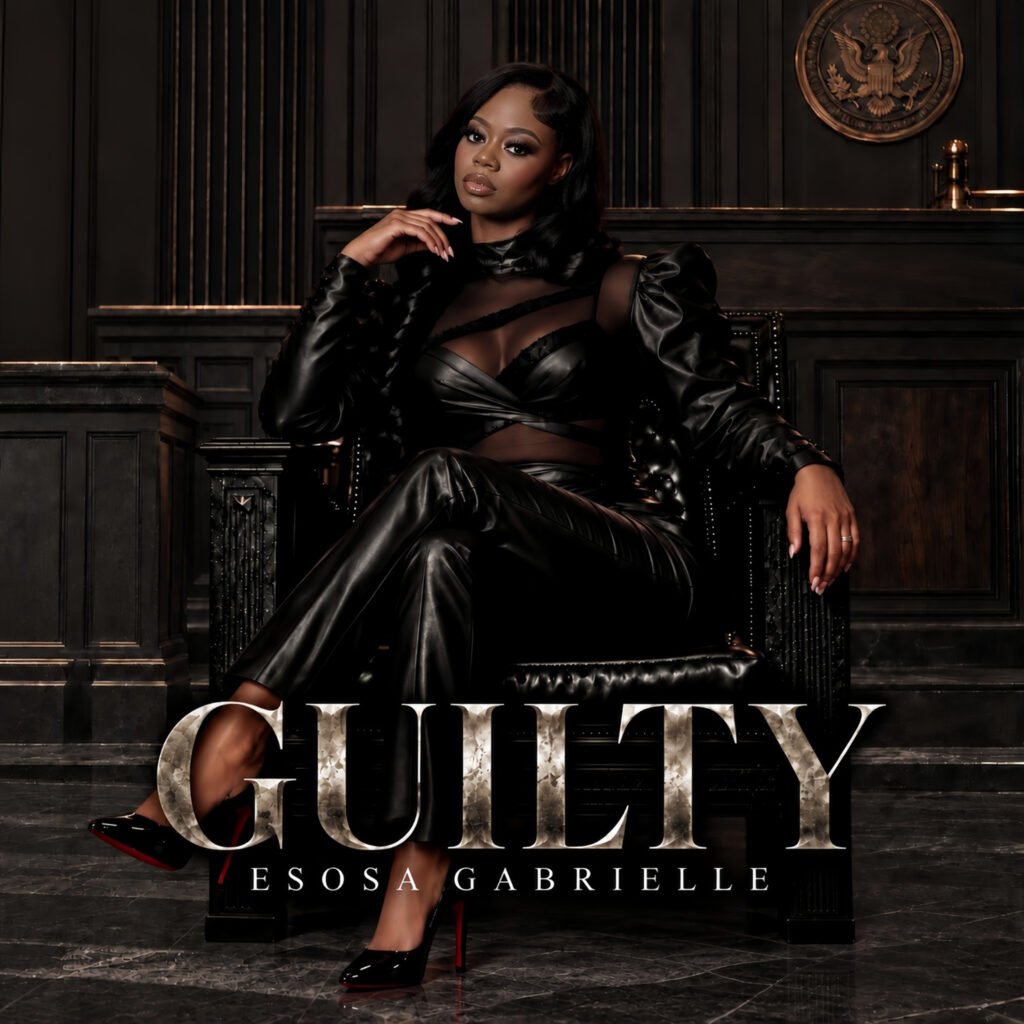
Gabrielle gave audiences some context ahead of the release through an appearance on The Andrew Eborn Show. The conversation addressed the experiences behind “Guilty,” including divorce, infidelity and emotional pain. By discussing those circumstances, she gave the single a personal frame beyond its title and release announcement.
There’s a particular exposure involved in that decision. A song allows its writer some room: listeners can imagine characters, interpret a situation differently or hear their own experience in the words. An interview brings attention back to the person sitting in the chair. Suddenly the questions concern a life, with all its unfinished feelings and inconvenient details.
That doesn’t mean an artist owes the public a complete account. Listeners don’t need access to private messages or a chronology of every disagreement to understand the damage broken trust can cause. Often, the most useful thing a personal song offers is recognition—the feeling that somebody else understands why an apparently ordinary day can become difficult without warning.
Coverage of “Guilty” has emphasized its concern with the emotional aftermath of betrayal and the struggle to reclaim a sense of identity. That is a substantial subject in its own right. When a relationship has shaped everyday decisions, friendships and plans, its ending can leave questions that reach well beyond the former partner. What do you want now? Which habits still belong to you? What have you stopped doing without noticing?
Those questions also explain why breakup songs can matter to people whose circumstances differ completely from the writer’s. You don’t have to share someone’s history to recognize the embarrassment of having defended a person who disappointed you. Or the exhaustion of explaining a separation. Or the strange experience of wanting an apology while knowing it wouldn’t repair very much.
The challenge for any artist working with personal hurt is giving it a form that another person can enter. The experience belongs to the artist; the listener brings a separate set of memories. Somewhere between those two perspectives, a song can acquire meaning neither person could have planned.
Gabrielle’s release places her experience within that exchange. Her interview and the presentation of “Guilty” make clear that the circumstances surrounding the song are part of its public story. What listeners take from it will be less predictable.
Some may arrive because they recognize the subject immediately. Others may simply be curious about an emerging artist willing to discuss a painful chapter of her life. Either way, “Guilty” offers a starting point for a conversation that rarely ends with a clean verdict: how to live with the truth once it changes the story you thought you were in.
Stream “Guilty” by Esosa Gabrielle on Spotify here: