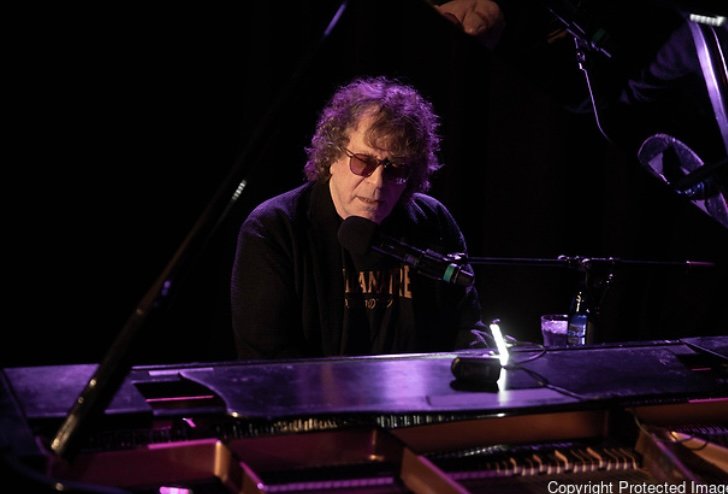
Some artists reach a certain point and begin to look back. They play the hits, take the applause, and let the catalog do the work. Randy Edelman has earned the right to be one of them. At the Triad Theatre on October 2 and 3, he made it plain that he has no intention of it.
The setting could not have been simpler. A piano, a bench, and a room on West 72nd Street small enough that every listener is practically within reach of the keys. No band, no orchestra, no one else on the stage. Edelman performs alone, and the choice says a great deal about him. A man who wanted to rest on his reputation would bring reinforcements. He brings only himself.

He would have plenty to rest on. This is the songwriter behind “Weekend in New England,” whose songs have been recorded by Barry Manilow, the Carpenters and Patti LaBelle. This is the composer whose film scores include Gettysburg, My Cousin Vinny, Twins and Kindergarten Cop, and whose work on The Last of the Mohicans brought him a Golden Globe nomination. More than fifty years of music stand behind him every time he sits down to play.
Yet nothing about these nights felt like a retrospective. Green Park, his new album, came out on Cherry Red Records on September 25, only a week before he took the Triad stage. An artist who is still writing, still recording and still releasing new work is not finished telling his story, and Edelman plays like someone in the middle of a chapter, not at the end of the book.
That is the thrill of watching him now. There is appetite in the playing. Music that the world first heard from a full orchestra comes roaring out of a single instrument, and the melodies, stripped of everything but the piano, sound newly made. He leans into them with the energy of a performer who still has something to prove and the skill of one who proved it long ago.
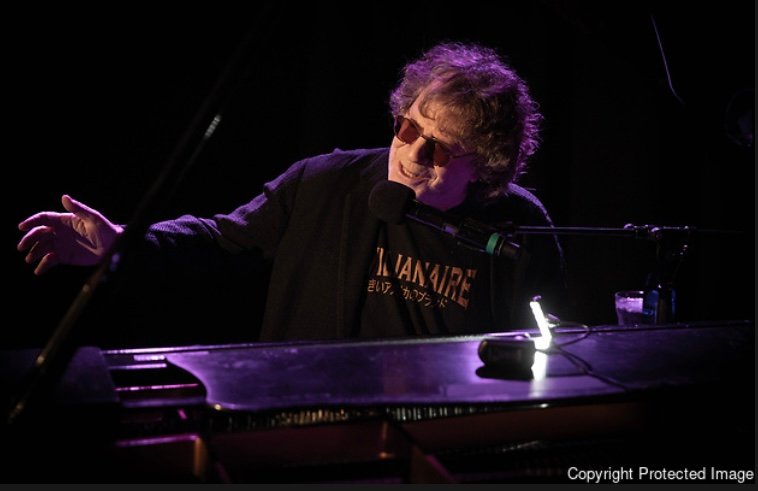
Between the songs he talks, and the talk is its own pleasure. Edelman is a natural storyteller, quick and warm and funny, and he lets the audience in on the life behind the music without ever turning the evening into a lecture. It feels like company. It feels like being let in on something.
Greatness in the later chapters of a career is a rare thing, and it does not look like the early kind. It is not about arrival. It is about refusing to stop, about bringing a lifetime of craft to the stage and still reaching past it. On West 72nd Street, Randy Edelman was reaching, and he was getting there.
Which brings us to December 19. That night he walks onto the stage at Carnegie Hall for American Original, his third appearance in the most storied concert hall in the country. Most musicians dream of playing it once. Edelman is going back for a third time, alone at the piano, and on the evidence of the Triad he will arrive in full flight.
Photo Credit: Billy Hess