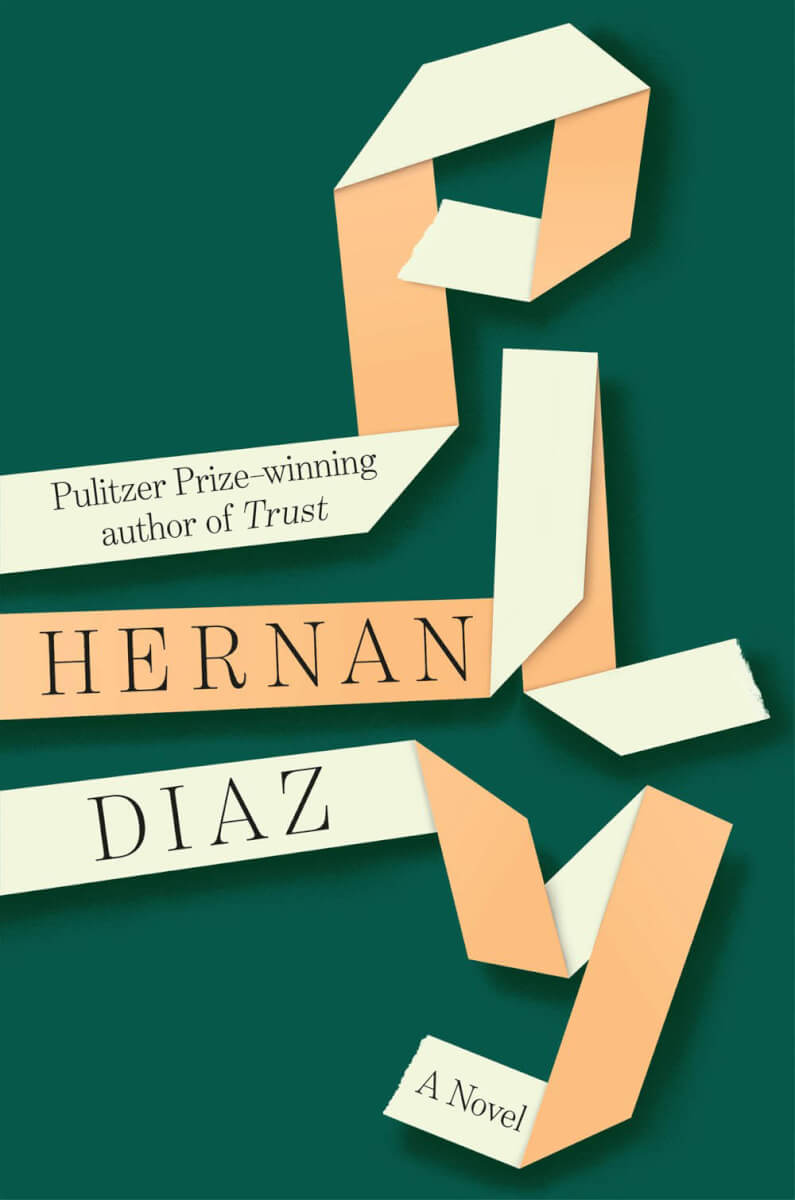
Hernan Diaz’s extraordinary latest work, Ply, is set amid modernity’s wreckage, but it is not quite a postapocalyptic novel. There was no capital-C Calamity, just the inevitable entropy greed engenders. The antagonists are primarily executives, chief financial officers of utility companies with private armies (except the one who’s more of a tech giant a la Elon Musk, who also happens to have a private army). Nothing broke, exactly; people just stopped caring about keeping things together. A young, unnamed power grid thief, or pincher, and her friends navigate a world run by either the aforementioned utility companies or underground drug rings. Electricity is currency, and everything is handmade from the mass-produced wreckage of the past. They risk their lives to charge batteries, then spend the batteries powering illicit rock concerts. For the pincher and her peers, living past 30 is almost inconceivable, but they’ll earn a kind of immortality in the memories they leave behind. It is the pinnacle of punk.
And then an older physicist comes along, asking the pincher to take a break from all that and help her unstitch the causal fabric of reality. Such unstitching requires a lot of electricity, so the pincher is asked to steal more power than she ever has before. The entire grid’s worth, in fact. To do this, she’ll have to piece together an uneasy coalition of electricity hustlers and rival drug lords, all without letting on what she needs the electricity for.
This plot is, curiously enough, based on real science, with surprisingly little poetic license taken or required. (Quantum mechanics is just surreal enough to make it all work.) Diaz, who is known for his literary fiction, did his homework before turning to science fiction, consulting with senior scientists at CERN. He also flexes his considerable acumen in observing and reproducing human nature: His complex, compassionate depictions of both science’s suspicion of the lay public and the public’s hostility toward science present a remarkably evenhanded, rational depiction of modern discourse. As a scientist, I was captivated by Diaz’s clarity on the central curse of modern scholarship. In a culture predicated on finance as the arbiter of progress, Diaz argues that the market will always hold us back, and that the value of asking questions lies in the understanding their answers bring, not the profitability of them.
But Ply’s philosophy is far deeper than mere economics. It argues for curiosity and companionship as the twin foundations of the human experience, then questions how well modern society can sustain these pillars, if at all. It asserts that humans, left to our own devices, seek joy above all else, and that we find it most readily in discovery and in the bonds we build with each other. It is a profoundly optimistic philosophy for a profoundly cynical future. And so Ply is every bit as punk as its protagonists.