
A sport jacket is the most useful piece of tailoring most men own. It goes over a polo, over a sweater, over a t-shirt if you cut it right — and it does that job because of one thing: the fabric.
Here’s the deal. Get the sport jacket fabric wrong and you end up with an orphaned suit coat that looks like you lost your pants. Get it right and you own a jacket you reach for every week for the next ten years.
This guide covers the fabrics worth knowing — tweed, hopsack, flannel, corduroy, linen and the rest — what each one does, which season it belongs in, and how to pick the one that suits your coloring and the clothes you already own. Let’s get into it.
What Is a Sport Jacket Fabric?
A sport jacket has no matching trousers. It never did. That’s the entire point of the garment, and the fabric is what lets it stand on its own.
Suit cloth is smooth, fine and flat — worsted wool woven tight so it hangs clean under office lighting. Sport coat cloth goes the opposite direction. It’s woven loose, brushed, nubbed, flecked or checked, and you can usually read the weave from across a room. That visible texture is what tells everyone the jacket was never half of a suit.
Here’s the fastest test I know. Pick up a jacket and ask three questions. Do matching trousers exist for it? Then it’s a suit jacket, so leave it alone. Is the cloth solid and smooth? That’s a blazer. Can you see pattern, texture or a patch pocket? That’s a sport coat. Three questions sorts almost everything on the rack.
Where The Sport Coat Actually Came From
The sport coat wasn’t invented by breaking up a suit. It started as its own garment, in the English countryside, about 160 years ago.
The ancestor is the Norfolk jacket — a belted, box-pleated tweed coat adapted from Rifle Corps kit around 1859-60 and turned into shooting dress through the 1860s. It had bellows pockets for cartridges and enough room across the back to swing a shotgun, and for a while it was strictly country wear. Then leisure time arrived. By the 1870s and 1880s the trade press had it down as the jacket for cycling, fishing and knocking about outdoors, and it walked off the moor into ordinary life.
The belt and the pleats fell away over the next fifty years. The rugged, textured cloth stayed. That’s why a sport coat still looks the way it does — every one you buy today is a shooting coat with the hardware stripped off.
How To Choose A Sport Jacket Fabric
Four rules cover most of this decision. They aren’t taste — they’re what separates a jacket that works with half your closet from one that hangs there waiting for the right pair of trousers that never shows up.
Skip anything that reads as suit cloth. Flat, solid charcoal or black in a smooth worsted is suit fabric. Put it over jeans and you look like a man who misplaced his trousers. Navy is the one exception, and only with texture — a navy hopsack or a navy knit reads as a jacket, a flat navy worsted reads as half a suit.
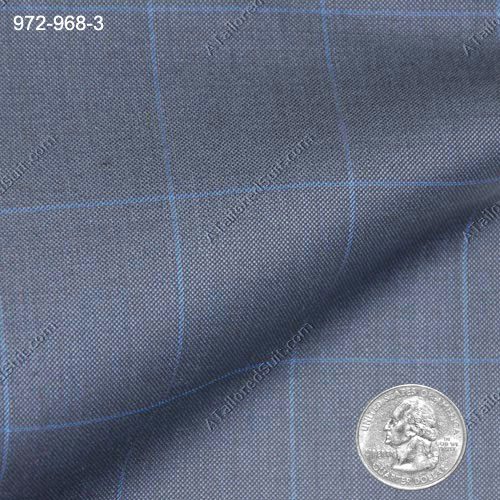
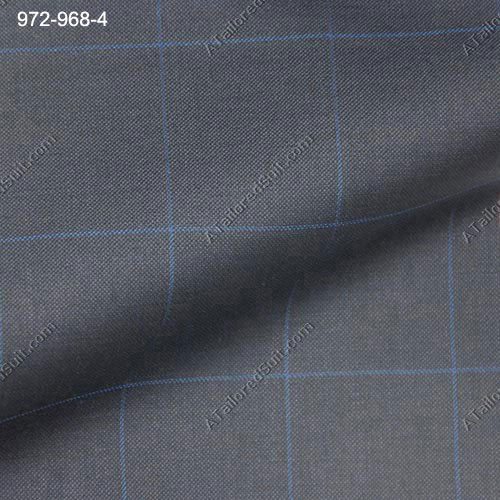
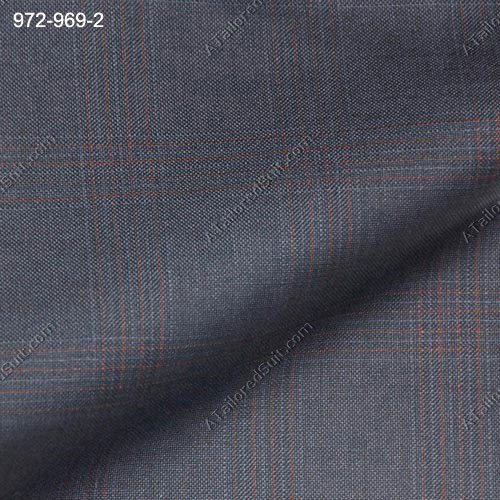
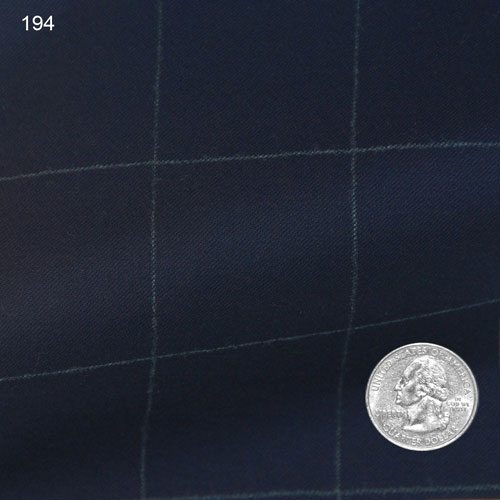
Leave the stripes at the office. Chalk stripes and pinstripes are business-suit language, and your eye knows it even if you can’t explain why. Go for checks, plaids, herringbone and windowpanes instead. Casual patterns that still look sharp.
Go for texture. Rough, napped, slubby, flecked. Tweed, hopsack, corduroy, flannel, linen. Texture is the fastest way to signal that this is a sport coat, and it’s also what lets one jacket work over five different pairs of trousers.
Buy patterns in the right order. Bold houndstooth and loud plaid are your third and fourth jackets, not your first. Jacket number one should be something you can wear twice a week without anybody clocking that it’s the same jacket. Earn the statement piece.
The Sport Jacket Fabrics Worth Knowing
Here are the fabrics you’ll actually run into on the rack, what each one does, and the season it belongs in.

Tweed
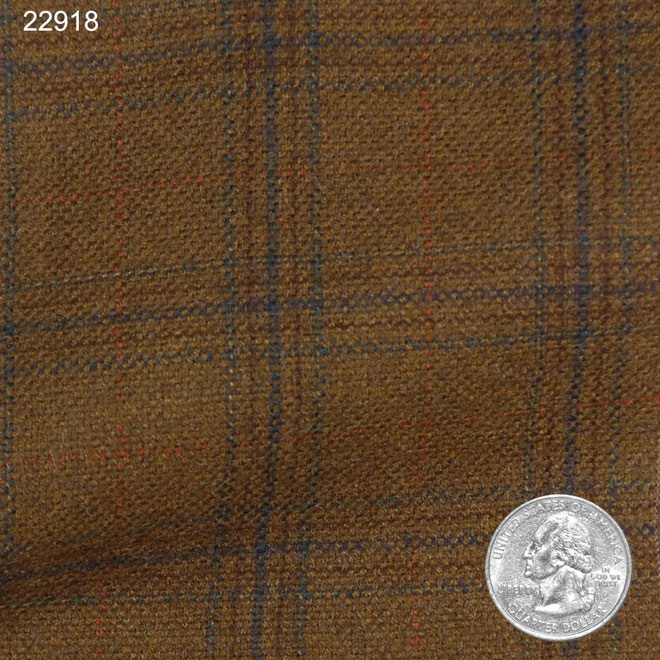
Tweed is the original, and it’s still the fabric most people picture when you say sport coat. Rough, heavy, warm, about as far from suit cloth as wool gets. Most tweed lands between 13 and 16 ounces, which makes it a fall and winter jacket in most of the country and a fall-only jacket if you live somewhere hot. Two versions earn their place:
- Donegal Tweed: Woven with colored flecks scattered through a base color, so a brown Donegal has specks of rust, blue and gold buried in it. Those flecks are what make it forgiving. There’s a color in there to pick up almost any hair or skin tone, and the broken surface hides a hard day better than flat cloth does.
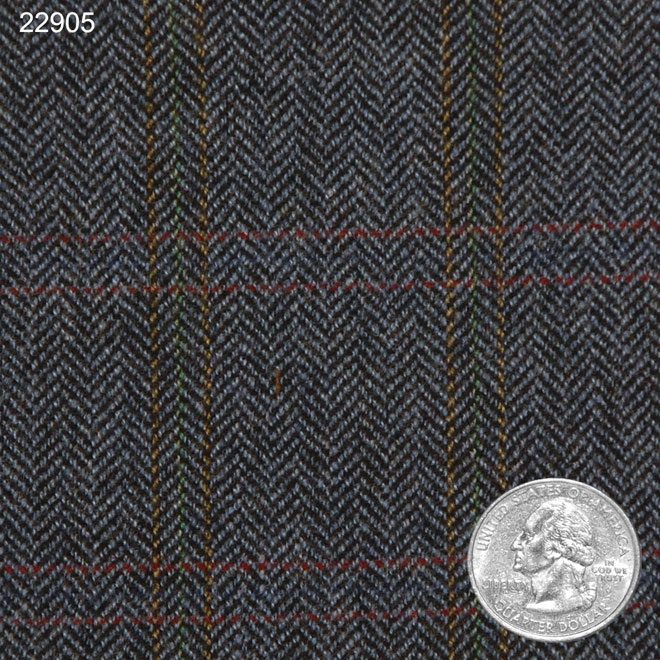
- Herringbone Tweed: The herringbone pattern is the quiet one. A small V-shaped zigzag that reads as plain texture from across the room and only shows itself when someone gets close. That subtlety is why it’s the safest tweed to buy first. Sandy and greying hair sit especially well against it, though a dark-haired guy in a brown herringbone looks just as good.
Houndstooth
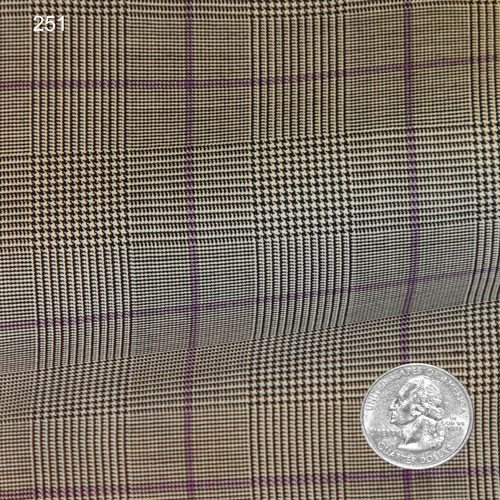
Houndstooth is loud. The broken check reads from across a room, which makes it a great third or fourth jacket and a rough first one. It won’t share an outfit with a patterned shirt or a patterned tie, so plan on solids underneath every single time you wear it. Buy it small-scale in muted colors if you want any chance of wearing it twice a month.
Mohair
Mohair comes off an Angora goat, not a sheep, and it behaves nothing like wool. Light, crisp, springy, with a faint sheen to it. It breathes in real heat and it shrugs off wrinkles better than almost anything you can put on your back, which is why it turns up in summer jackets and why it travels well. The catch is that sheen — it reads dressier than most sport coat cloth, so a solid mohair jacket drifts toward blazer territory. Buy it patterned, or buy a wool-mohair blend, and it stays casual.
Hopsack
Hopsack is a weave, not a fiber. Thicker yarns crossed in a loose basketweave, which leaves visible gaps in the cloth. Hold a piece up to a window: if light pours through, the jacket will wear cool. That open weave makes hopsack the closest thing to a genuine year-round sport coat. A navy hopsack around 9 to 11 ounces works nine months out of twelve, dresses up over grey trousers and dresses down over jeans. If you’re only buying one sport coat in your life, buy this one.
Flannel
Flannel is wool with the surface brushed until it goes soft and faintly fuzzy. That nap kills the shine, which is exactly what a sport coat wants. It runs warm — 11 to 14 ounces is normal — and the weight makes it drape better than anything else on this list. A grey flannel jacket over dark denim is one of the easiest cold-weather outfits a man can put together. One warning: flannel bags at the elbows faster than a hard-finished cloth. Hang it up and give it a day off between wears.
Corduroy
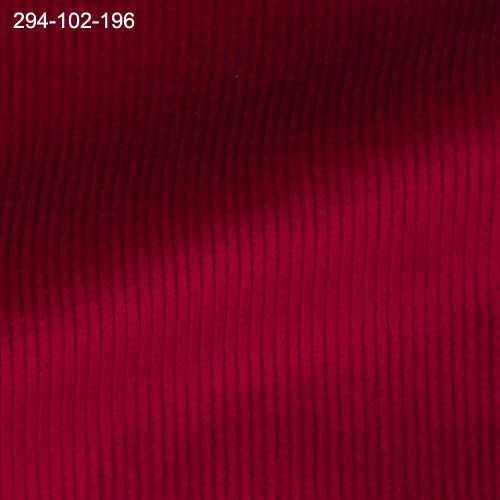
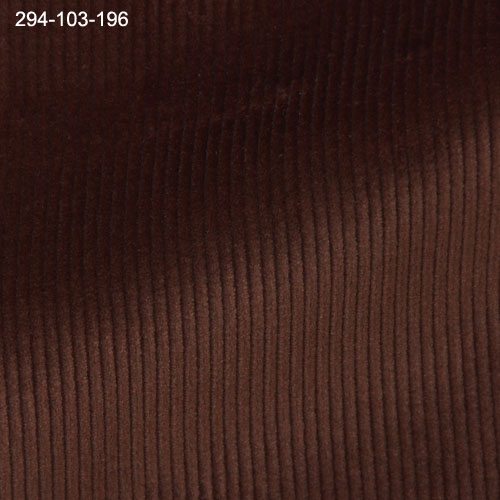
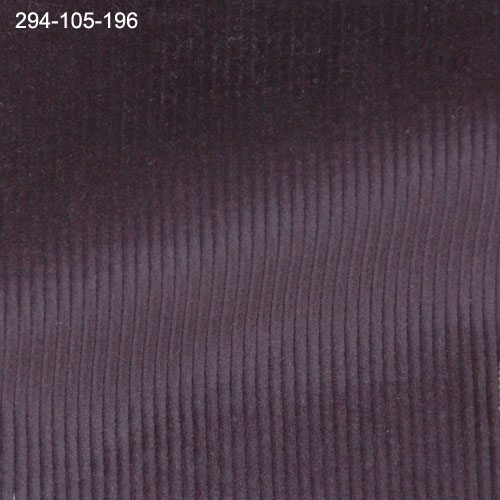
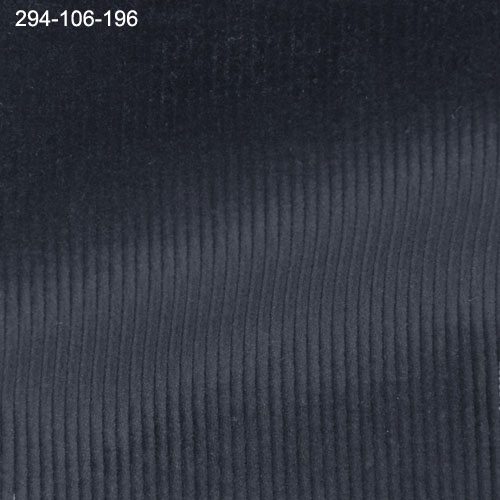
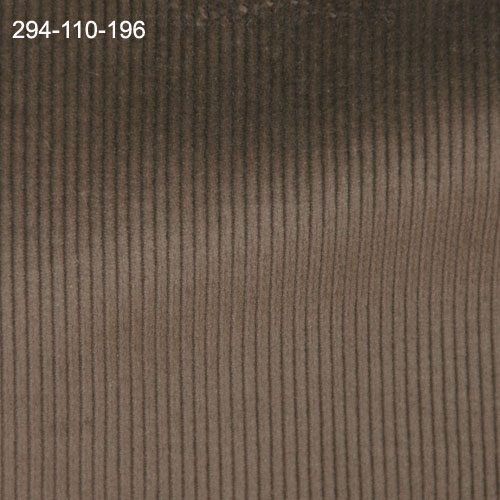
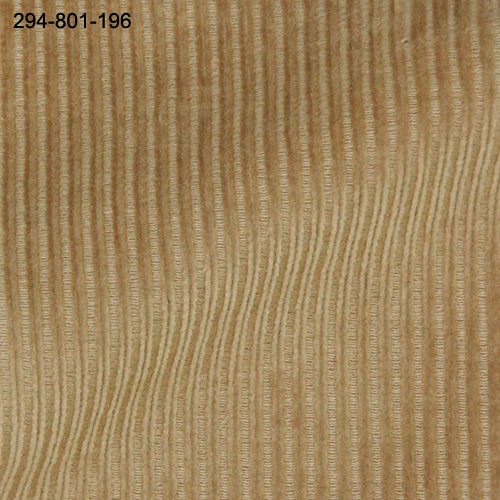
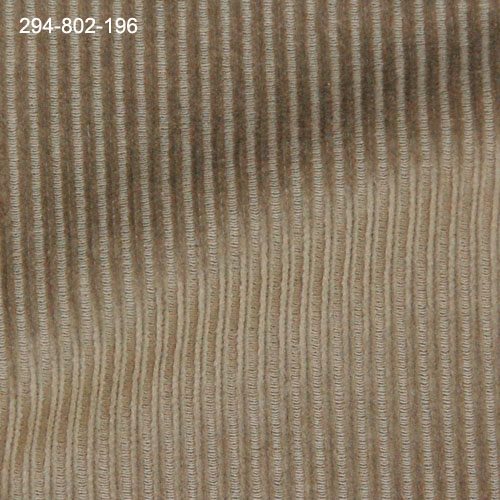
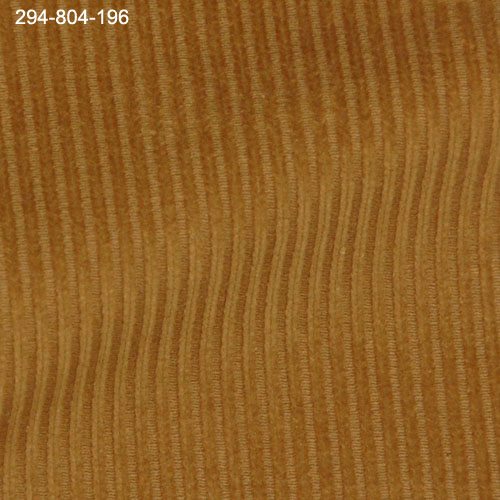
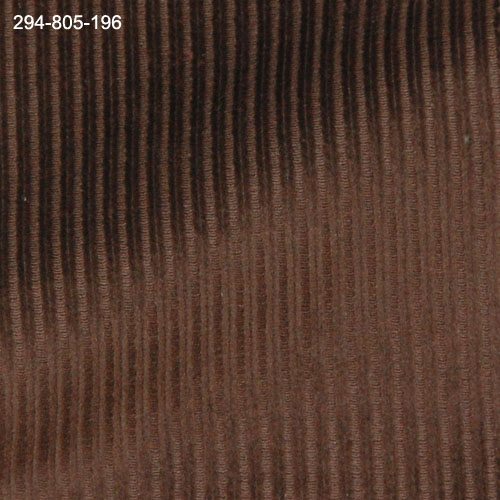
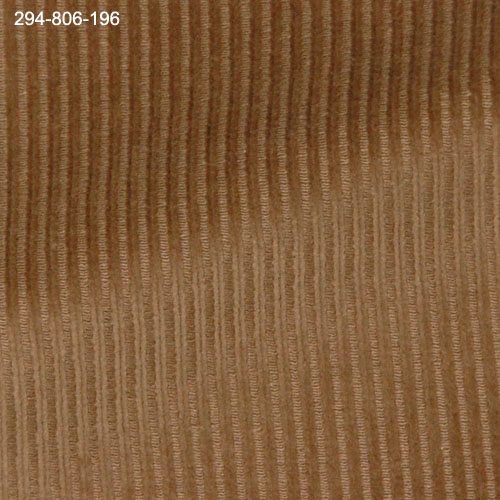
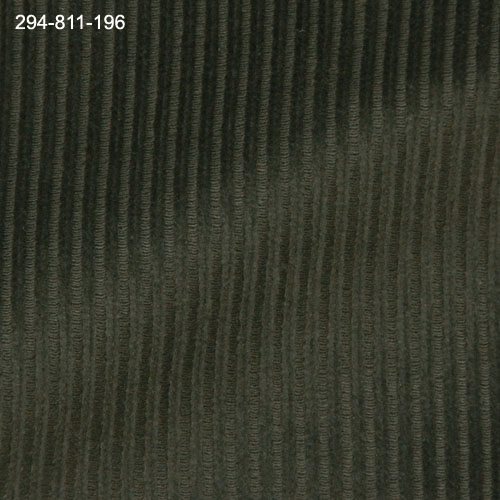
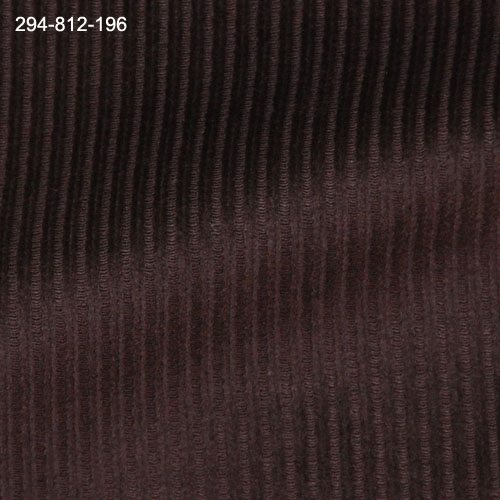
Corduroy is cotton cut into ribbed wales, and it’s the most casual tailored fabric you can buy. The wale count tells you how it’ll read: wide wales, around 8 per inch, look rustic and chunky, while narrow wales at 14 to 16 look much closer to a proper jacket. Brown, olive and tobacco are the workhorses. It wears warm, it goes at the cuffs and elbows long before the body gives out, and it honestly looks better in year three than it did the day you bought it.

Linen
Linen breathes better than any other jacket fabric, period. In serious heat nothing else is close. And yes, it wrinkles — that’s the trade you’re making, and fighting it is wasted energy. If the creasing genuinely bothers you, buy a wool-linen or cotton-linen blend instead: you lose a little breathability and you gain structure and a much calmer surface. Keep the color light. Tan, oatmeal, stone, soft blue.
Cotton
A cotton sport coat — twill, moleskin or a summer poplin — is the low-stakes option. It costs less than wool, it takes abuse, and unlike linen you can leave it balled up in the back of a car and still wear it. What it won’t do is drape like wool or hold a sharp shoulder. So buy it unstructured, let it be casual, and don’t ask it to carry a dressy outfit.
Wool-Silk-Linen Blends
WSL is the cloth Italian mills built for exactly this jacket. Wool supplies the structure, linen supplies the breathability and a dry hand, silk supplies a faint irregular slub across the surface. What you get is lighter than tweed, more textured than suiting, and dressier than straight linen. Stick to neutrals — blue, brown, sage — because a bold WSL is a jacket people start recognizing. It isn’t cheap, and it’s worth the money once you’re past your first two jackets.
Fabric Weight: The Number That Decides Your Season
Mills list cloth in ounces per yard, and that number tells you when you can wear a jacket better than the fiber name does. Rough guide:
- 7 to 9 oz: summer. Tropical wool, linen, cotton, light mohair. Open weaves built to let heat out.
- 9.5 to 11 oz: three seasons. Hopsack and most mid-weight blends live here, and it’s the smartest place to spend your first jacket money.
- 12 to 16 oz: fall and winter. Flannel, tweed, camel hair, heavy cashmere blends. Heavy cloth also hangs better, because the mass pulls the wrinkles out of it as you move.
One caveat that matters more than the numbers: weave beats weight in the heat. A 10-ounce open hopsack wears cooler than an 8-ounce tightly woven worsted, because air actually moves through it. Hold the cloth up to a light. If you can see through it, it breathes.
#rmrs-cmp-sjf *{box-sizing:border-box;margin:0;padding:0;}
#rmrs-cmp-sjf{
–navy:#14213d; –navy2:#1f335c; –cream:#faf6ec; –cream2:#f1e9d6;
–gold:#c9a24b; –ink:#2a2a2a; –line:#e2d7bd;
font-family:-apple-system,BlinkMacSystemFont,”Segoe UI”,Roboto,Helvetica,Arial,sans-serif;
color:var(–ink); max-width:860px; margin:32px auto; padding:0 4px; line-height:1.5;
-webkit-font-smoothing:antialiased;
}
#rmrs-cmp-sjf .cmp-title{
text-align:center; color:var(–navy); font-size:22px; font-weight:800;
letter-spacing:.2px; margin-bottom:4px;
}
#rmrs-cmp-sjf .cmp-sub{
text-align:center; color:#6b6250; font-size:13px; margin-bottom:18px; font-style:italic;
}
#rmrs-cmp-sjf .cmp-scroll{overflow-x:auto; -webkit-overflow-scrolling:touch;
border-radius:12px; box-shadow:0 6px 22px rgba(20,33,61,.12);}
#rmrs-cmp-sjf table{
width:100%; border-collapse:collapse; background:var(–cream);
min-width:620px; font-size:15px; overflow:hidden; border-radius:12px;
}
#rmrs-cmp-sjf thead th{
background:var(–navy); color:#fff; padding:14px 12px; text-align:left;
font-size:13px; font-weight:700; vertical-align:middle; border:none;
text-transform:uppercase; letter-spacing:.6px;
}
#rmrs-cmp-sjf thead th.cmp-attr{background:var(–navy2); width:20%; color:var(–gold);}
#rmrs-cmp-sjf tbody th{
background:var(–cream2); color:var(–navy); font-weight:700; text-align:left;
padding:12px 12px; font-size:14px; border-top:1px solid var(–line);
width:20%; vertical-align:top;
}
#rmrs-cmp-sjf tbody td{
padding:12px 12px; border-top:1px solid var(–line); vertical-align:top;
color:var(–ink); font-size:14px;
}
#rmrs-cmp-sjf tbody td:first-of-type{border-left:1px solid var(–line);}
#rmrs-cmp-sjf tbody tr:nth-child(even) td{background:rgba(201,162,75,.06);}
#rmrs-cmp-sjf .cmp-badge{
display:inline-block; font-size:11px; font-weight:800;
text-transform:uppercase; letter-spacing:.5px; padding:3px 9px; border-radius:999px;
background:var(–gold); color:#3a2c07;
}
#rmrs-cmp-sjf .cmp-bottom th{background:var(–navy); color:var(–gold);}
#rmrs-cmp-sjf .cmp-bottom td{background:var(–navy); color:#f4efe2; font-size:14px;}
#rmrs-cmp-sjf .cmp-note{
font-size:12px; color:#8a8071; text-align:center; margin-top:12px; line-height:1.5;
}
@media(max-width:520px){
#rmrs-cmp-sjf .cmp-title{font-size:19px;}
#rmrs-cmp-sjf table{font-size:13px;}
#rmrs-cmp-sjf thead th{padding:11px 9px; font-size:12px;}
#rmrs-cmp-sjf tbody th,#rmrs-cmp-sjf tbody td{padding:10px 9px; font-size:13px;}
}
| Fabric | Weight | Season | How dressy | Buy it if |
|---|---|---|---|---|
| Hopsack | 9–11 oz | Three seasons | Middle | It’s your first jacket Start here |
| Tweed | 13–16 oz | Fall, winter | Casual | You want one jacket that reads as classic menswear |
| Flannel | 11–14 oz | Fall, winter | Middle | You want tweed’s warmth with a cleaner surface |
| Corduroy | Varies by wale | Fall, winter | Most casual | You live in jeans and want a jacket that keeps up |
| Linen | 7–9 oz | Summer | Casual | You deal with real heat and can live with wrinkles |
| Cotton | 7–9 oz | Spring, summer | Casual | You want something cheap you won’t baby |
| Mohair & blends | 7–9 oz | Summer | Dressiest | You travel and hate ironing |
| Wool-silk-linen | 8–10 oz | Spring, summer, early fall | Middle | You already own two jackets and want a better one |
| Bottom line | Weave beats weight in the heat. Hold the cloth up to a light — if you can see through it, it will breathe, whatever the number on the tag says. | |||
Weights are typical mill ranges and vary by cloth and merchant.
Matching Sport Jacket Fabric To Your Coloring
Your hair, your skin, and the contrast between the two decide which cloth looks right on you. This is one of the few style rules that’s genuinely about you rather than about the garment, and it’s the reason two men can try on the same jacket and get opposite results.
- Light hair, fair skin: You’re a low-contrast guy, so stay in that range. Light Donegal tweeds, soft herringbones, tan, oatmeal, muted blue. A hard black-and-white houndstooth will wear you instead of the other way round.
- Dark hair, medium to dark skin: You can carry the strong stuff. Deep navy, rich brown, forest green, bold herringbone, sharper checks. Contrast near the face pulls attention up to where you want it.
- Grey or greying hair: Speckled and mixed cloth is your friend. Donegal with flecks in it, salt-and-pepper tweed, muted mid-blues. The mix of light and dark echoes what’s already happening on your head, and the whole picture holds together instead of fighting itself.
Patterns And Texture Without Overdoing It

One loud thing per outfit. That’s the whole rule, and the jacket is usually the loud thing.
- Loud jacket, quiet shirt. Herringbone tweed goes with a plain white or light blue shirt. Every time. Put a pattern on the jacket and a pattern on the shirt and they fight, and neither one wins.
- Quiet jacket, loud accessory. Flip it around. A subtle jacket is a license to run a strong tie or a bright pocket square. Grey herringbone with a rust knit tie is a better outfit than either piece deserves on its own.
- Let the season pick the texture. Tweed, flannel and corduroy when it’s cold. Linen, cotton, hopsack and mohair when it’s hot. Wear a tweed in July and you’ll look uncomfortable, mostly because you will be.
Fit And Structure Beat Fabric Every Time
You can buy the finest cloth in Yorkshire and still look bad in it. Fit is the part nobody can fake, and it’s the reason you should know your tailor on a first-name basis.
Before the fit points, there’s a decision most men never make on purpose: how much structure they want. A fully canvassed jacket with padded shoulders holds a sharp line and reads formal. An unstructured jacket has a soft shoulder, little or no canvas in the chest, and often no lining at all, so it moves like a heavy cardigan and reads casual. For a sport coat, softer is usually the right call. It’s the difference between a jacket you throw on for a Saturday and a jacket that wears you.

Now the four things to check before you hand over your money:
- Shoulders: The seam sits exactly where your shoulder ends, not out past it. Get this wrong and no tailor alive can fix it. Put the jacket back on the rack and walk away.
- Length: Cover your seat and stop there. Drop your arms at your sides and the hem should land somewhere around your knuckles.
- Sleeves: End at the wrist bone and let a quarter to half an inch of shirt cuff show. That sliver of white is what makes the whole thing look deliberate instead of borrowed.
- Waist suppression: A little shape through the middle gives you a V. Not a corset — just enough taper that the jacket follows your torso instead of hanging off it like a sheet. Your tailor can add this. He cannot add shoulders.
Sport Jacket Fabric Questions I Get Asked
What’s the best all-around sport jacket fabric?
Navy hopsack, somewhere between 9 and 11 ounces. The open basketweave keeps it wearable from March through November, the texture keeps it from reading as an orphaned suit coat, and navy goes with grey trousers, tan chinos and dark denim without a second thought. If you own one sport coat, own that one.
Is a blazer more formal than a sport coat?
Yes, and the fabric is why. A blazer is solid and comparatively smooth, usually navy, often with metal or horn buttons. A sport coat is patterned or textured with buttons that blend into the cloth. Line them up and the order runs suit jacket, blazer, sport coat, from most formal to least.
Can I wear a sport coat with jeans?
That’s what a sport coat is for. The trick is texture on both ends: dark, clean denim with no rips or fading, and a jacket with visible weave — tweed, hopsack, corduroy, flannel. A smooth worsted jacket over jeans is the combination that goes wrong, because the two fabrics come from different worlds and everyone can see it.
How many sport jackets do I actually need?
Three covers almost every man. A navy hopsack for three seasons, a brown or grey tweed for the cold, and something light for the heat — linen, cotton, or a wool-silk-linen blend depending on your budget. Buy them in that order. Everything after number three is personality, not need.
Start With One Jacket
Don’t try to solve your whole wardrobe this month. Pick the navy hopsack, get it to a tailor, and wear it for a season until you know how it moves and what it goes with. Then add the tweed. Fabric knowledge sticks a lot faster when you’ve actually got the cloth on your back.







The post Understanding Sport Jacket Fabrics: A Comprehensive Guide appeared first on Real Men Real Style.