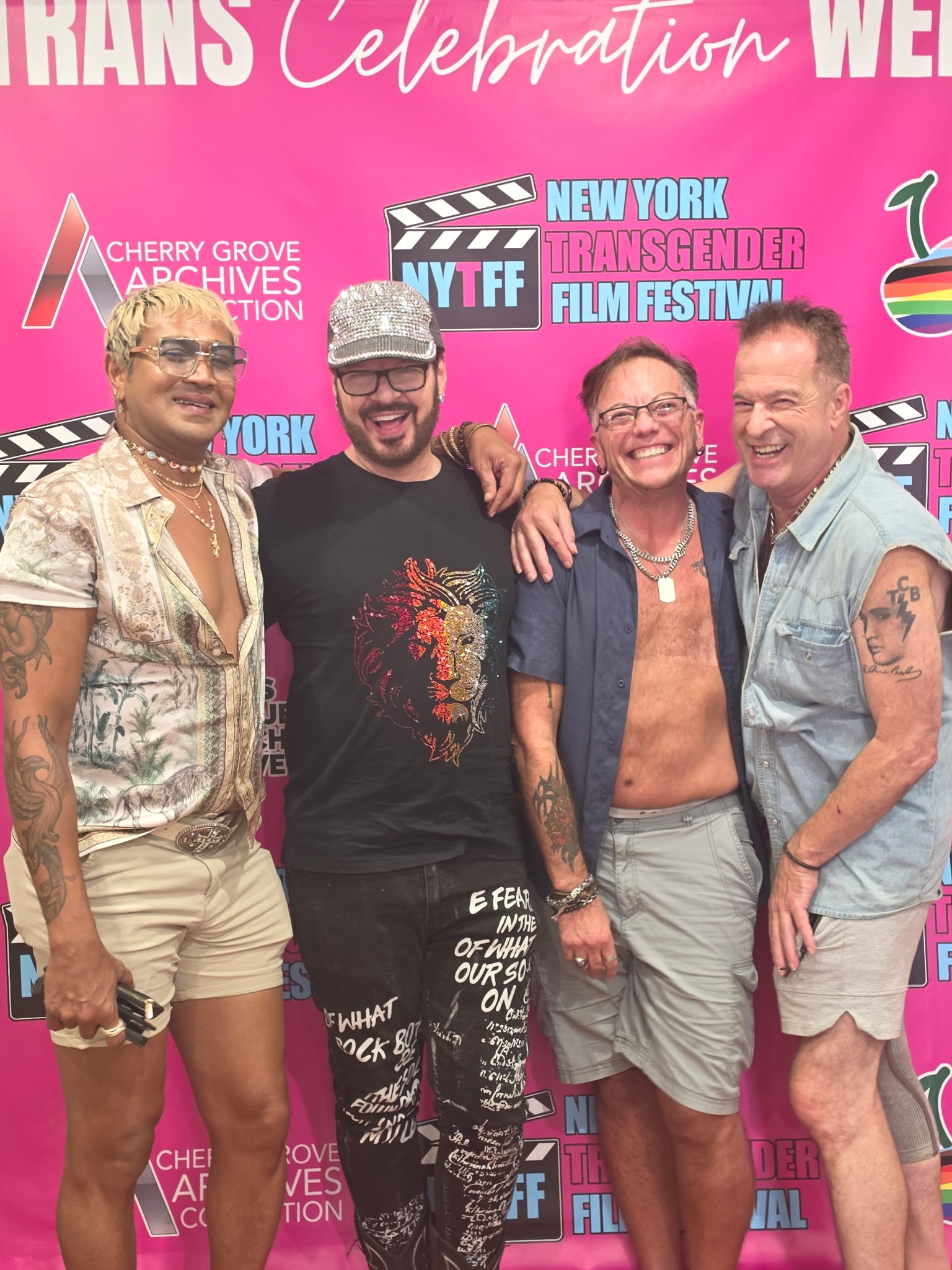
There is a particular kind of light that falls over Cherry Grove on a September afternoon, and on Saturday it settled over the Cherry Grove Theater for the New York Transgender Film Festival, the centerpiece screening day of the Trans Celebration Weekend. The oldest continuously running LGBTQ+ theater in the country has hosted its share of history, but this felt like a homecoming built specifically for a community too often asked to wait its turn.
NYTFF was conceived on a simple, radical premise: every film in competition, and every voice on the selection panel that chose them, comes from the trans+ community itself. Not stories about trans lives filtered through someone else’s lens, but films for, by, and about transgender, non-binary, gender non-conforming, intersex, and Two-Spirit people. On Saturday, that premise played out on screen after screen, and the room answered it with the kind of warmth that doesn’t need to be manufactured.

The afternoon’s emotional high point arrived with “Call Me Micky,” the documentary portrait of New Jersey’s own Micky Angelo Petrillo, who transitioned at fifty-nine and has been chasing new stages and new friendships ever since, humor fully intact and apology nowhere in sight. Directed by Andrew Rasmussen and executive produced by Dominique Jackson, the film is less a coming-out story than a coming-into-yourself story, and Cherry Grove, a place built by people who did exactly that, was exactly the right room for it to land in.
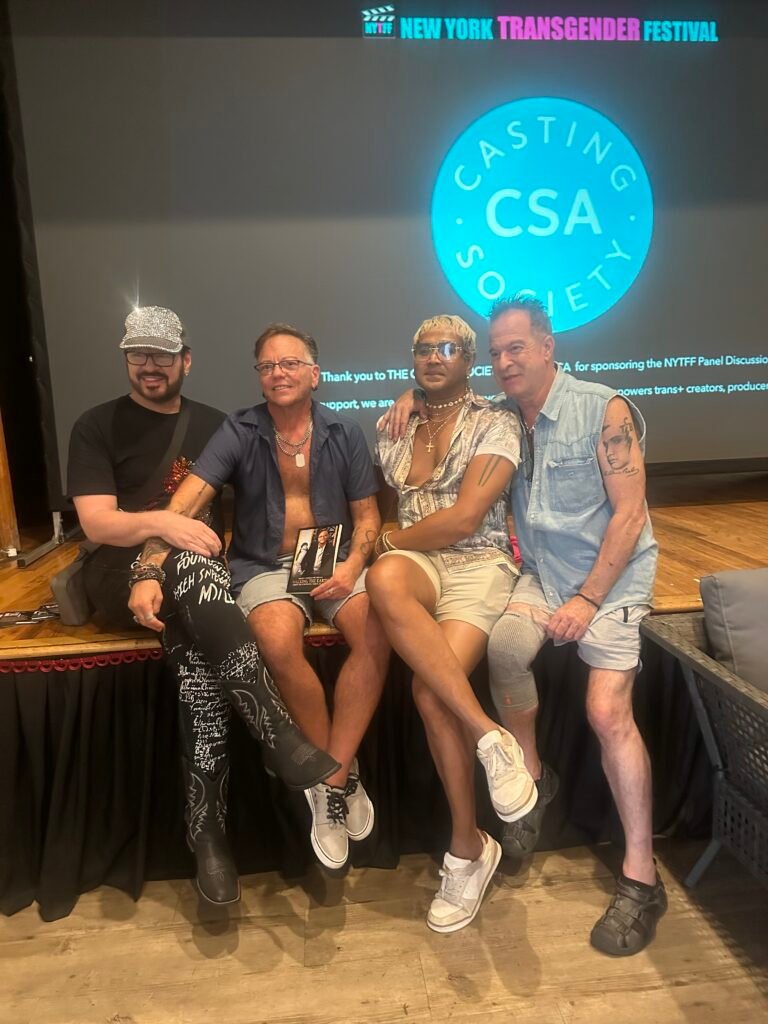
Presiding over it all was Parker Sargent, the writer, director, and producer who built NYTFF as part of her larger Trans Celebration Weekend and who has spent the better part of a decade documenting Cherry Grove’s queer history through her work with the Cherry Grove Archives Collection. As host, Sargent moved the day along with the easy authority of someone who has spent years making space for other people’s stories, introducing filmmakers, framing each selection, and keeping the afternoon’s creators panel loose and generous rather than formal. It is not an easy needle to thread, holding a room together while also stepping back to let the work speak, and she threaded it.
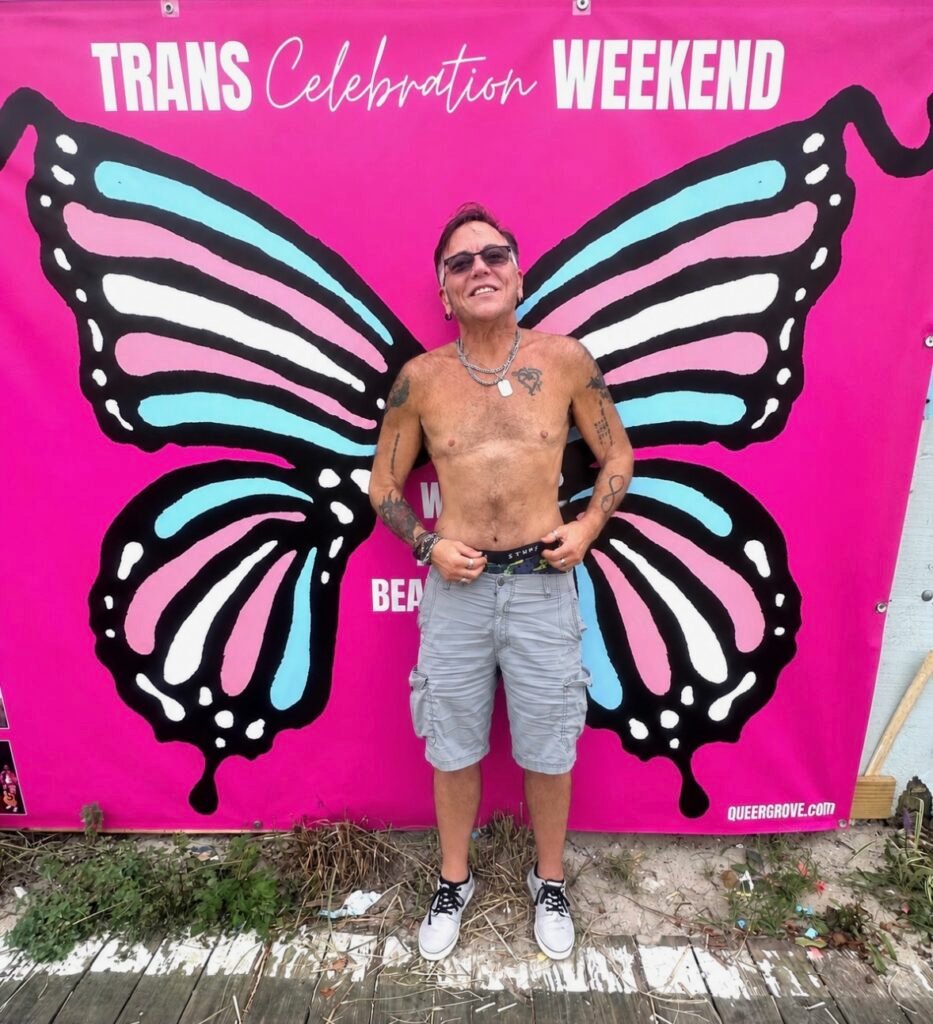
What made the day resonate beyond the films themselves was the room they played in. Cherry Grove has been a haven for LGBTQ+ people since the early 1900s, and that history was not incidental to Saturday’s festival, it was the point. Filmmakers who have fought for scarce slots and paid steep entry fees on the broader festival circuit found themselves instead in a theater built by and for their own community, judged by a jury of their own peers, applauded by an audience that understood exactly what was on screen without needing it explained. That is a rare thing to hand back to any group of artists, and rarer still to hand back with this much joy attached to it.
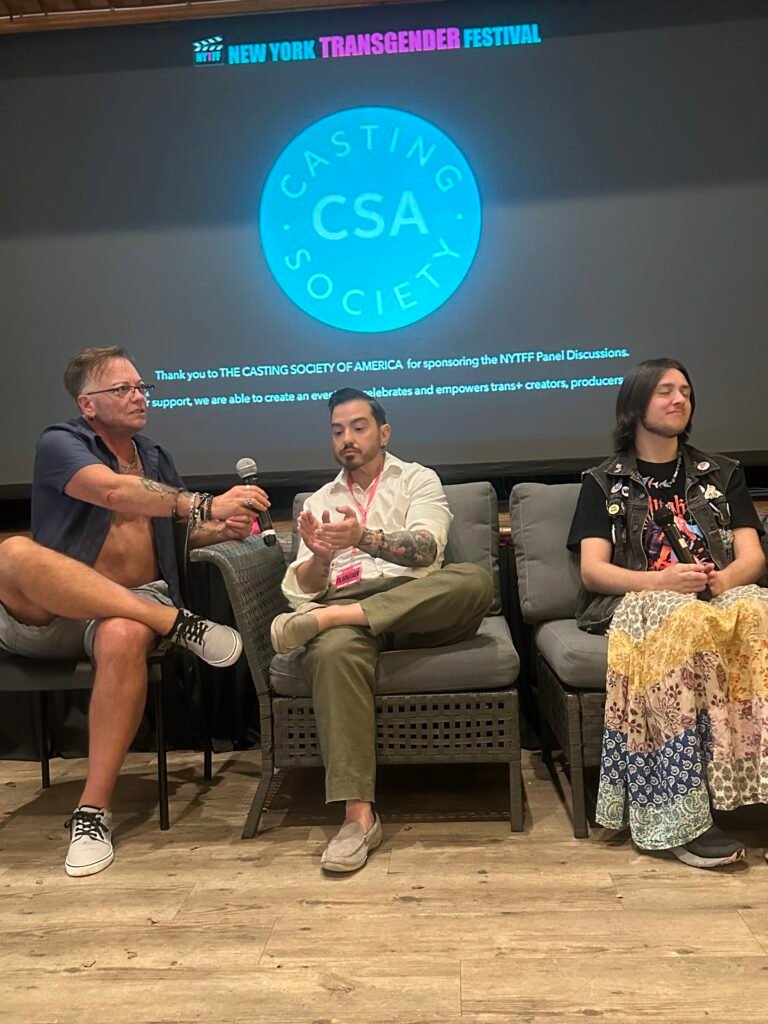
By the time the afternoon’s awards were voted on, the tone in the theater was less competitive than celebratory, a room full of people who had shown up for each other rather than against each other. It is easy to talk about chosen family in the abstract. NYTFF, under Parker Sargent’s steady hand and in a theater with a century of queer history behind it, showed what it actually looks like in practice: filmmakers cheering for filmmakers, a community narrating its own life on its own terms, and a small beach town on Fire Island proving once again why it has never stopped being a safe harbor.