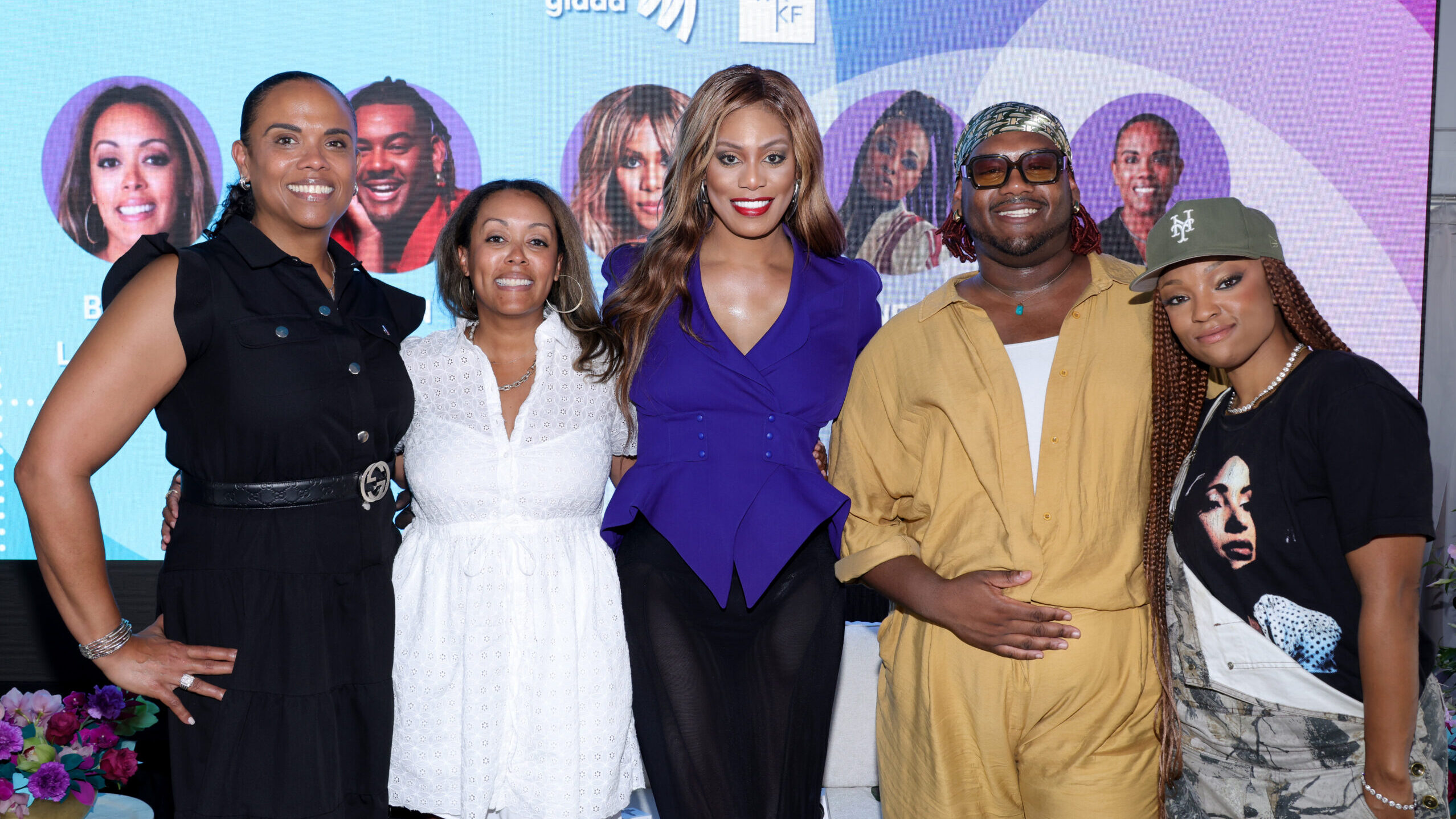
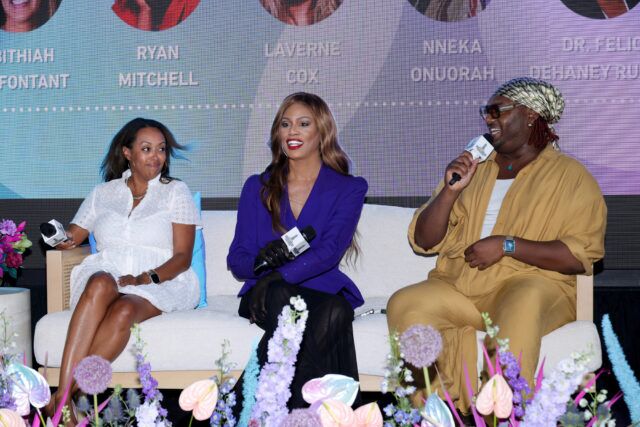
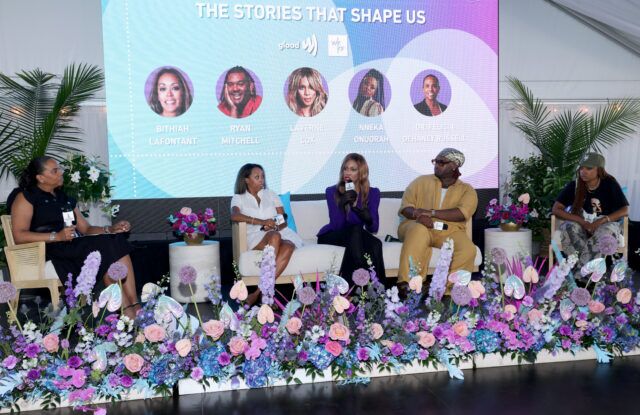
GLAAD brought real talk and hard data to Martha’s Vineyard this past weekend. On Sunday, August 9, the media advocacy group hosted the panel “Reel Change: Black Film, Culture, and the Stories That Shape Us” at the Martha’s Vineyard African American Film Festival (MVAAFF).
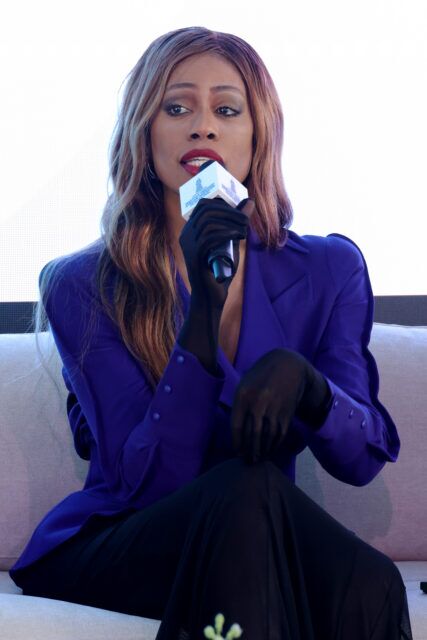
The event featured Emmy-winning actor Laverne Cox, ViiV Healthcare Head of Enterprise Communications Bithiah Lafontant, podcast host Ryan Mitchell, and Emmy-winning director Nneka Onuorah. Together, the group tackled a growing problem in Hollywood: screen time for Black queer and trans people is dropping, and the consequences hit hard outside the theater.
The Shrinking Screen Presence
GLAAD’s latest Where We Are on Film report tracks 225 releases from the top ten distributors last year. The numbers show a third straight year of decline in LGBTQ+ storytelling.
The stats laid out during the panel paint a grim picture:
- 36% drop in LGBTQ+ characters of color.
- Zero transgender characters across major studio releases.
- Two characters living with HIV in the entire release slate, both packed into a single movie.
That lack of visibility feeds directly into public health issues. Data from GLAAD partner ViiV Healthcare reveals that Black individuals make up 37% of new HIV cases in the U.S. despite accounting for 12% of the population. Black women represent half of all new diagnoses among women. When media depictions vanish, misinformation fills the void.
More Stories, Less Trauma
During the discussion, Laverne Cox pushed back against the idea that representation needs to fit neat categories.
“And it’s never been about positive or negative representations. It’s about more, because everyone’s not going to connect to everything, but the more we have, the more possibilities that people can see themselves in representation,” Cox said.
Cox also pointed to art as a tool for emotional release, sharing how a friend processed long-buried grief from the 1980s AIDS epidemic while watching the TV series Pose.
“Having a trauma informed approach to how we stigmatize things and how we make work as artists I think is really important and the stigma education helps unravel the stigma,” Cox noted. “A dear friend of mine said, when he watched ‘Pose’, because he was in New York, during the height of the AIDS crisis, he said there was trauma that he hadn’t even processed. Because he was in a space where people were dying every other day, he watched all of that trauma, and he hadn’t given himself space to process it until 30 years later while watching ‘Pose’. He let himself cry, he let himself grieve, and that is the power of beautiful art. There’s so much trauma that we’re all holding, and a beautiful story, a beautiful film, a beautiful interview on a podcast can help release that for people and heal people.”
Bithiah Lafontant advocated for narratives that celebrate everyday joy rather than focusing strictly on hardship.
“I think where we are now, in this moment, we need to see stories where people are just who they are, and it doesn’t have to be a story of trauma,” Lafontant explained. “Where are the love stories? Where are those moments where people just see themselves living, happy, peaceful, joyful, the whole human experience?”
Healing Beyond the Screen
Director Nneka Onuorah emphasized that authentic filmmaking focuses on shared human experiences, not just identity markers.
“So I like to show that LGBTQ+ people are not just sexual beings that are focusing on their sexuality, but there’s humanity in us, and we all need to connect with humanity,” Onuorah said.
Her project Truth Be Told, which screened at MVAAFF, tackles the complex dynamic between queer individuals and the Black Church. Onuorah remains committed to making work that offers pathways to resolution.
“So a lot of my work is showing us what hope looks like. Showing us what relationship repair looks like with a parent and their child when your mom doesn’t want you to come home on Thanksgiving or you have to walk into a church and know everybody’s talking about you or whispering about you,” Onuorah said. “So the work that I’m doing is focusing on us getting active about our healing and showing what love could look like if we all come together on our differences. And so I’m gonna keep saying that over and over, whether it’s an animation, whether it’s a scripted project, whether it’s a documentary. One of my films that played in this festival, Martha’s Vineyards Film Festival, is actually called ‘Truth Be Told’ and it is about the LGBTQ+ experience in the Black Church. There’s a lot of oppression within churches and within religion that kills us from the inside and kill our families from the inside.”