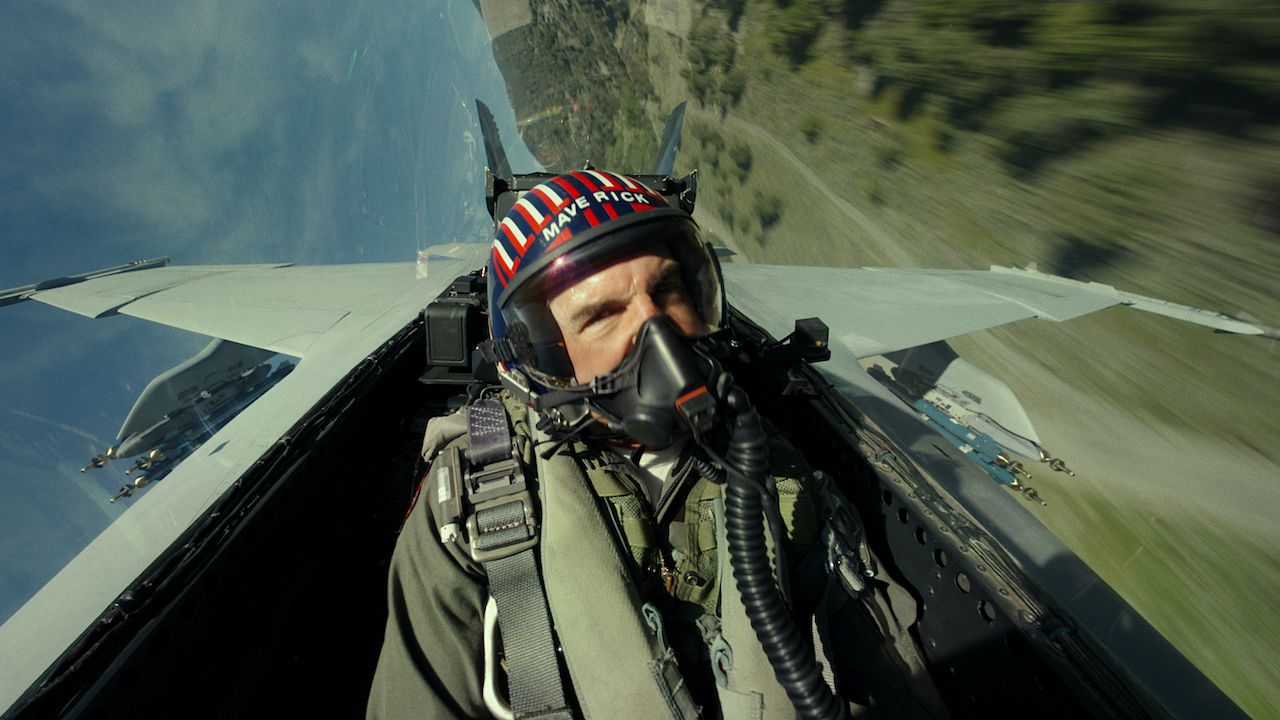
When Top Gun: Maverick was confirmed, I was a bit skeptical. Putting out a sequel to a classic ‘80s movie over 30 years after the original is always a risk with audiences, but I remember being pleasantly surprised by the Top Gun follow-up. Top Gun: Maverick toed the line between nostalgic fan service and a new engaging plot perfectly, and it makes me genuinely excited for the prospect of a third Top Gun film. However, given that the sequel upped the ante for cinematic value, I was surprised to learn its final mission is actually “pretty realistic” according to a real-life Navy pilot.
I should never have doubted Tom Cruise, who insists on doing his own insane stunts, when it came to making a realistic Top Gun film. The Mummy actor, director Joseph Kosinski and producer Jerry Bruckheimer were committed to making the aviation sequences as real-looking as possible, working with the Navy and the real-life Top Gun school, and putting their actors through three months of grueling flight training. But it’s one thing for a movie to look real, and it’s another to actually be realistic, especially when it comes to Top Gun situations. Retired Marine Corp. fighter pilot Dave Berke broke down the final mission sequence for ScreenRant, comparing it to real-life naval practices:
Now, the scenario that they’re working against is the idea that this target that they’re attacking is well defended against what we call SAMS, surface to air missiles, which have a radar attached to it. And that radar is looking for, in this case, those four F-18s. And so the storyline in some cases is pretty realistic that you have to come in really low.
For those who need a refresher, the plot of Top Gun: Maverick revolves around an extremely difficult, high-stakes mission that brings back the best recent Top Gun graduates, and only one pilot has the qualified field experience to teach them: Tom Cruise’s Maverick.

Two things make the mission near impossible–the narrow flying through a canyon far below the hard deck (the legal limit for how low a jet can fly) to avoid radar missiles, and the blind exit out of the valley pulling max Gs, triggering said radar missiles.
Obviously, the latter is a crazy dangerous stunt that probably is pretty rare in real life, but Berke says the run through the canyon is not far-fetched at all:
Now, they are really low in this scene. They’re just a few feet above the water. But in real life, there are absolutely scenarios, and absolutely missions where we have to get in underneath the radar to avoid detection as long as possible, and this depiction of that is really good.
Of course, not everything in Top Gun: Maverick is 100% realistic. There had to be some added movie magic in order to achieve the cinematic shock value that allowed it to smash the box offices when it came out in 2022. All in all, Berke says they did a great job considering real technicalities when creating their storyline:
Now, we probably aren’t going to be flying underneath bridges, and some of the things they do are really cool CGI scenes. But from a realism standpoint, they did a really good job recognizing that this scene reflects reality that if you don’t want to be found, the best way to do it in a fourth-gen fighter like an F-18 is get in as low as possible.
On top of a realistic flying sequence, Cruise made sure his actors had real experience in those F-18 fighter jets. Part of “Tom Cruise Boot Camp” and flight training included ride-alongs with real naval pilots as they pulled off the cool stunts seen in the movie. There was definitely some puking involved, and Miles Teller admitted he thought he might die pulling max-Gs, but the real film shots of Cruise and co. flying in the jets really made a difference in the final cut.
Tom Cruise is seriously the only actor I can think of who is buddy-buddy with the U.S. Navy. I can only hope the Jack Reacher actor brings the same strict regimen and realistic standards to the upcoming Top Gun 3.