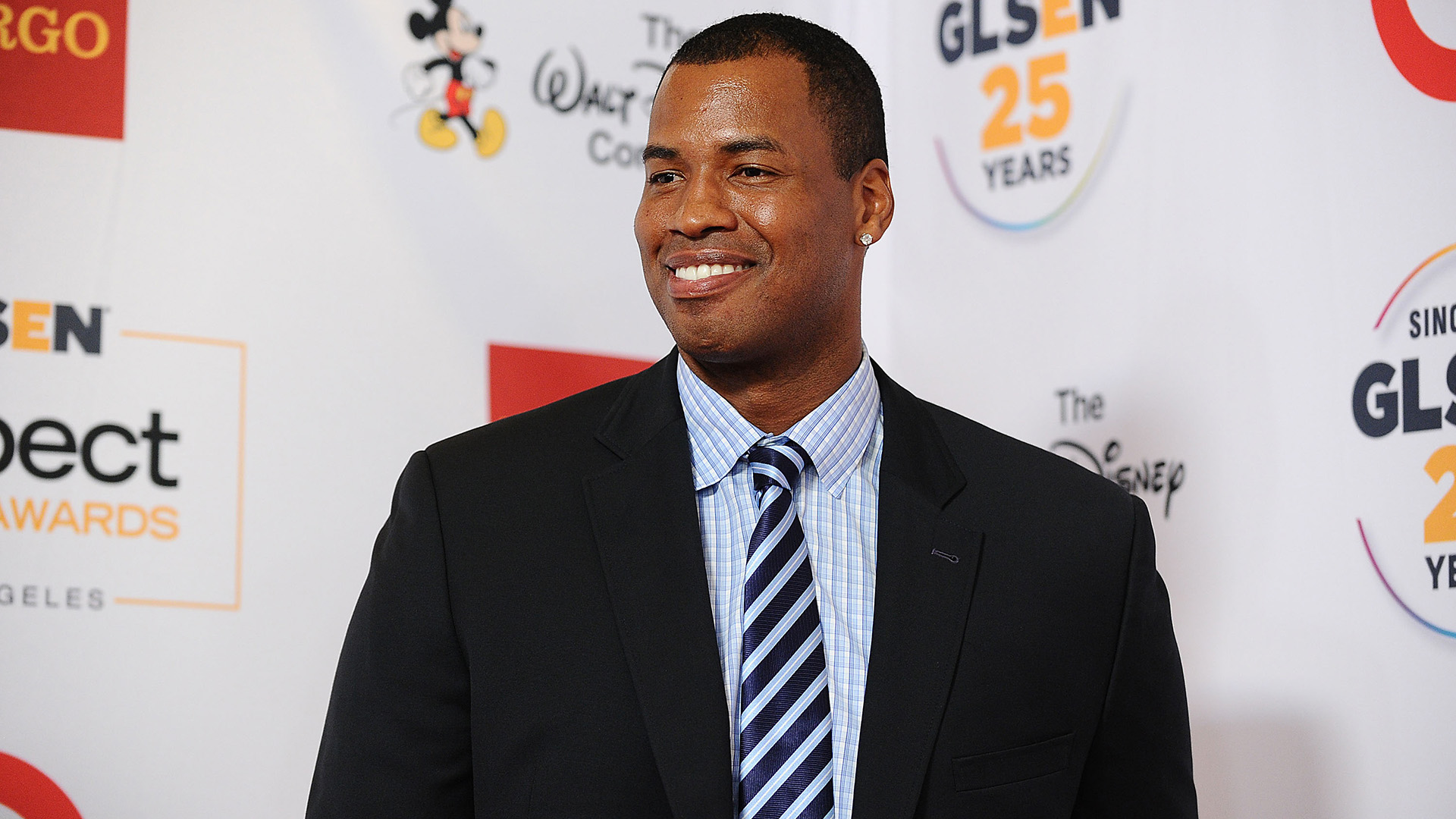
The LGBTQ+ community is mourning the loss of Jason Collins, the groundbreaking athlete who became the first openly gay active player in the National Basketball Association. Collins died Tuesday following a battle with Stage 4 glioblastoma, an aggressive form of brain cancer. He was 47.
According to his family, he died peacefully at home surrounded by loved ones.
A Historic Moment for LGBTQ+ Visibility in Sports
Collins changed the landscape of professional sports in 2013 when he publicly came out in a historic Sports Illustrated cover story. At the time, no active player in the NBA, NFL, MLB, or NHL had ever come out publicly while still competing. His decision became a watershed moment for LGBTQ+ visibility in sports and beyond.
“I’m a 34-year-old NBA center. I’m black. And I’m gay,” he wrote.
“I didn’t set out to be the first openly gay athlete playing in a major American team sport. But since I am, I’m happy to start the conversation. I wish I wasn’t the kid in the classroom raising his hand and saying, ‘I’m different.’ If I had my way, someone else would have already done this. Nobody has, which is why I’m raising my hand.”
During his 13-year career, Collins suited up for the New Jersey Nets, Memphis Grizzlies, Minnesota Timberwolves, Atlanta Hawks, Boston Celtics, Washington Wizards, and the Brooklyn Nets. He announced his retirement in 2014.
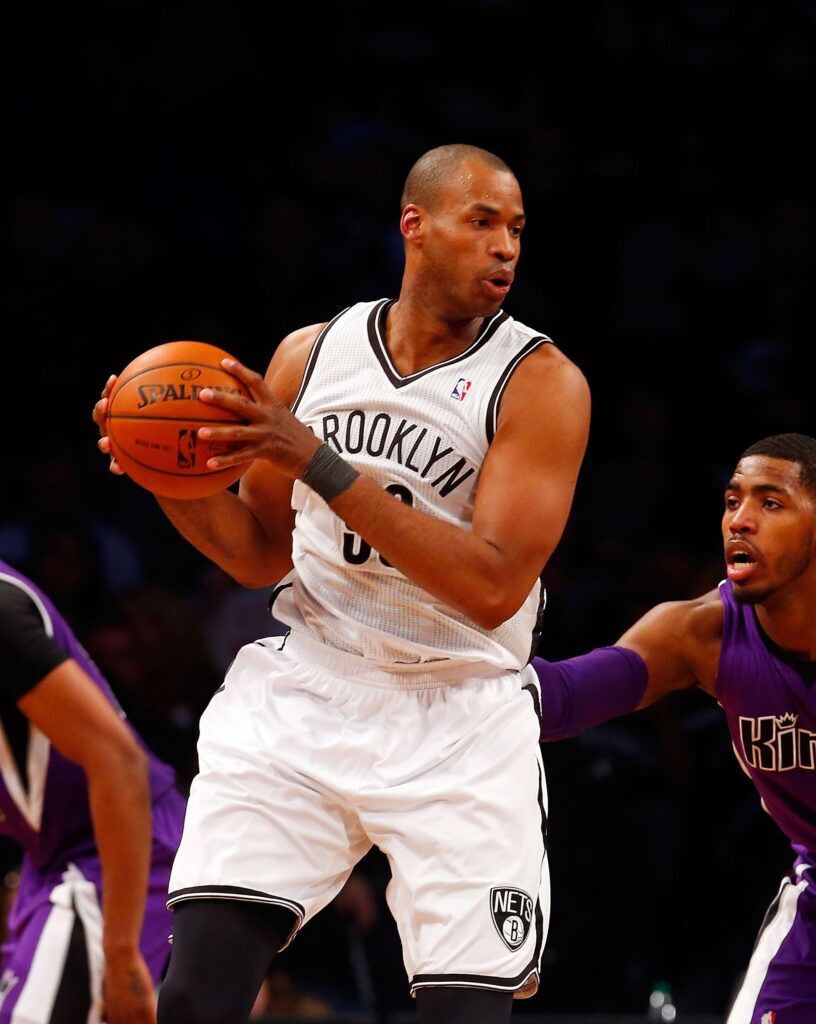
His Impact Reached Far Beyond Basketball
His bravery resonated far outside basketball. Collins revealed that after coming out publicly, he received calls from both Oprah Winfrey and former President Barack Obama, who told him his visibility would positively impact people he might never meet.
Over the last decade, Collins has become a powerful advocate for LGBTQ+ inclusion, serving as a global ambassador for the NBA and speaking openly about representation, acceptance, and the creation of safer spaces for queer athletes.
“We are heartbroken to share that Jason Collins, our beloved husband, son, brother and uncle, has died after a valiant fight with glioblastoma,” his family shared in a statement. “Jason changed lives in unexpected ways and was an inspiration to all who knew him and to those who admired him from afar.”
The National Basketball Players Association honored Collins in a statement, calling him “a global beacon of hope for the LGBTQ+ community” whose courage “shattered barriers.”
While Collins spent 13 years in the NBA, his legacy ultimately became much bigger than basketball. For countless queer fans, athletes, and young people searching for someone who looked like them, Collins represented visibility at a time when it barely existed in professional sports.
He is survived by his husband, Brunson Green, his parents, and his twin brother, Jarron Collins.