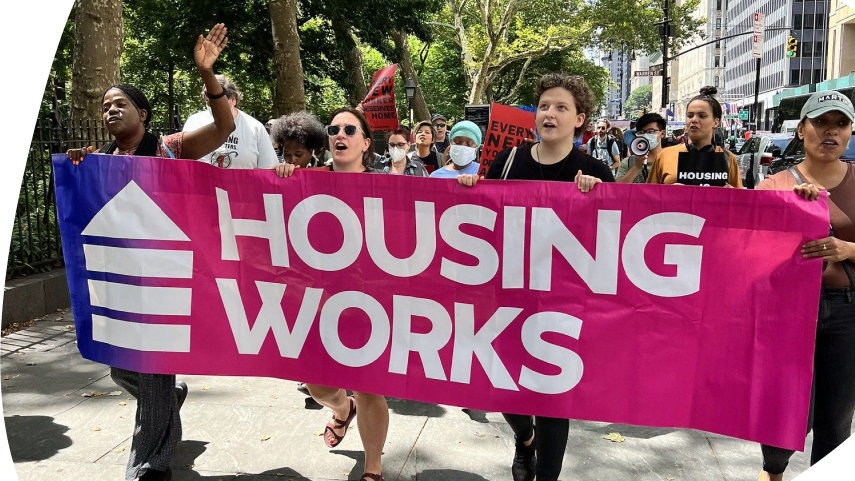
Housing Works has never been a traditional nonprofit. Born at the height of the AIDS crisis, the New York-based organization built its identity around urgency, survival, and community care. Thirty-five years later, that same structure is now fueling an unexpected but strategic expansion: cannabis retail.
At Housing Works Cannabis Co, the state’s first licensed adult-use dispensary and New York’s only 100% nonprofit cannabis retailer, Vice President of Cannabis Retail Sasha Nutgent says the mission has stayed intact even as the marketplace shifts around it.
“Equity has never been a campaign for us, it’s something we fully believe in,” Nutgent said in an exclusive Q&A with us. “With our dispensary, we saw an opportunity to take a newly legal industry and make it directly benefit communities harmed by the War on Drugs.”
That approach isn’t symbolic. Nutgent noted that 24% of the dispensary’s staff are justice-involved individuals, many of whom entered through a cannabis re-entry program designed to build job skills and long-term opportunity inside a legal industry that once excluded them.
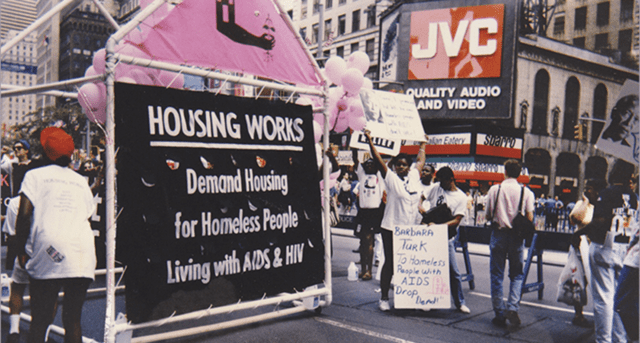
A Retail Model Built From Activism
Housing Works’ business strategy stretches far beyond cannabis. Thrift shops, bookstores, and café spaces have long served as revenue engines that feed directly into housing, healthcare, and harm reduction programs for people living with HIV/AIDS.
“Our founders turned crisis into movement,” Nutgent said. “Out of the urgency of the early AIDS epidemic, we became a national advocacy force while building sustainable businesses to support our mission.”
That hybrid model has become more relevant as public and private funding grows increasingly unstable. Nutgent pointed to tightening federal healthcare support and rising financial pressure on nonprofits as key challenges.
At the same time, the cannabis industry brings its own complications. She highlighted the tax burden known as 280E, which prevents legal dispensaries from deducting standard business expenses, creating added strain on operators already working within a regulated market.
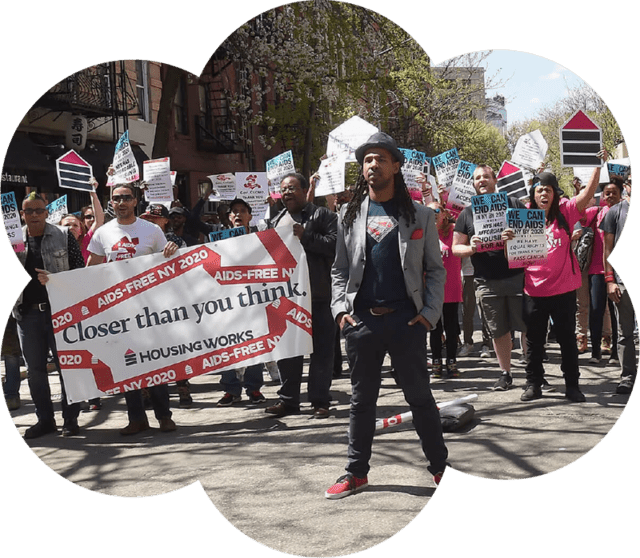
Staying Grounded as DEI Shifts Nationwide
As corporations scale back diversity, equity, and inclusion commitments, Housing Works is leaning in rather than adjusting course.
“At a time when many companies are rolling back DEI commitments, equity has never been optional for us,” Nutgent said. “It’s embedded in how we hire, train, and operate.”
That includes ensuring revenue from cannabis sales flows directly back into Housing Works programs, funding housing, healthcare access, and advocacy services for people impacted by HIV/AIDS and systemic inequities.
Cannabis With a Community Return
Every purchase at Housing Works Cannabis Co contributes to the nonprofit’s broader mission, a structure Nutgent describes as intentionally unified rather than segmented.
“We don’t separate mission from business,” she said. “Our business is the mission.”
That philosophy extends into mentorship efforts for people affected by the War on Drugs, offering training and employment pathways within the legal cannabis industry.
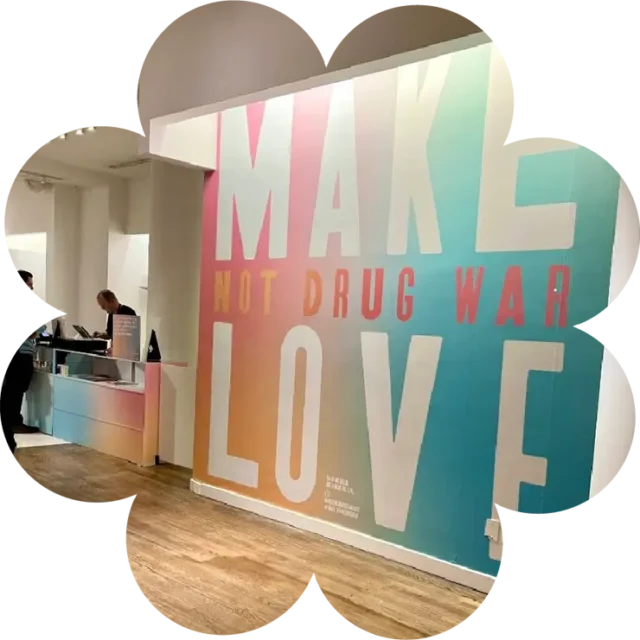
Looking Ahead: Expansion Without Mission Drift
Despite financial and political pressure points, Housing Works is positioning itself for long-term growth while maintaining its core identity.
“We will continue to innovate new ways to create revenue to drive our mission forward,” Nutgent said. “Housing Works will stay on the forefront.”
She also emphasized the organization’s continued commitment to LGBTQ+ communities, which were deeply impacted during the early AIDS crisis and remain central to its advocacy today.
“This work started and is rooted in the LGBTQ+ community,” she said. “We will continue showing up with care, advocacy, and resources where they’re needed most.”
For Housing Works, the celebration is less about a moment and more about momentum, proof that a nonprofit born in crisis can still evolve, expand, and stay rooted in care while doing it.