Nijigahara Holograph
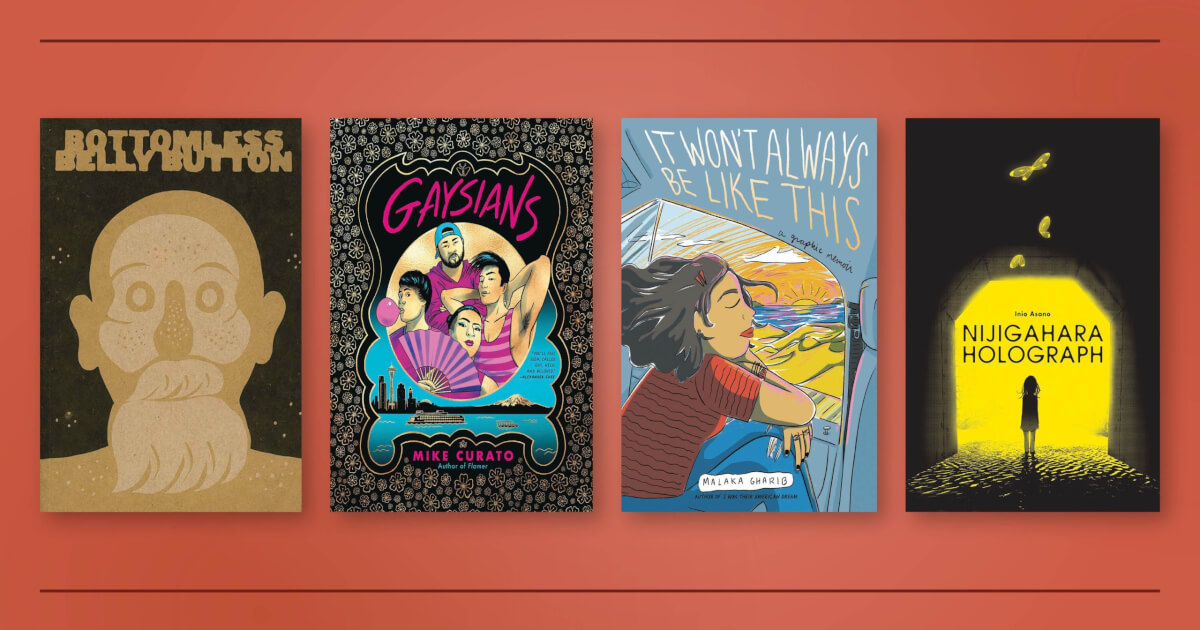
Mythical and harrowing, Inio Asano’s incomparably daring Nijigahara Holograph unfolds like a transcendent dream. In a small Japanese town plagued by a mysterious profusion of butterflies, fifth grader Arié Kimura’s classmates push her down a well in an attempt to appease a monster rumored to dwell in the tunnel behind the elementary school. Arié is left in a coma, and over the following decade, those connected to the event—ranging from a jealous female classmate, to a young teacher whose face is half-wrapped in bandages, to Arié’s predatory father—descend into a startling cycle of madness. Asano’s intricate black-and-white art and poetic dialogue give Nijigahara Holograph an apocalyptic feel like none other. Its depictions of physical, sexual and emotional violence unfold in environments replete with surreal beauty—a grassy field shining with light, a snowy riverbank on a night heavy with silence. Rebounding between the limits of cruelty and mercy, love and hate, this is a complex, fascinating book to revisit again and again.
—Yi Jiang, Associate Editor
It Won’t Always Be Like This
Nashville-based author, illustrator and journalist Malaka Gharib’s second graphic memoir, It Won’t Always Be Like This, takes readers to Egypt in the 1990s and early aughts as Gharib visits her father and his family each summer. Gharib’s sense of alienation, not unusual for a teenager struggling to fit into a changed family and changing body, is made more pronounced by her locale. Though every summer provides a reunion with her dad, she never quite understands where to stand in the family portrait. But she also has some adventures in Egypt, especially with her father’s loveable, free-spirited wife, Hala, whom Gharib draws out in vivid detail. Cultural references abound that celebrate the ’90s—Lisa Loeb, JNCO jeans, Waldenbooks, and the illustrations remind me of the great ’90s animated sitcom Dr. Katz, Professional Therapist, which I watched when I was a teen myself. It’s gratifying to view the small problems that seemed insurmountable in adolesence—fitting in among peers, fighting with parents, puberty—and know everything will turn out OK for preteen Malaka, just as it did for me. It Won’t Always Be Like This is a tender coming-of-age story with an original point of view and loads of heart.
—Erica Ciccarone, Associate Editor
Gaysians
Mike Curato’s touching and gorgeous graphic novel Gaysians is a celebration of queer chosen family. AJ, John, Steven and K are the Boy Luck Club, a friend group of East Asian gay men in Seattle. AJ, the newest member of the club, is freshly out as gay and has a lot to learn as he embraces his sexuality. He is desperate for romantic love and his struggle reflects the loneliness of growing up queer and unaccepted, which can leave you with a cavernous desire for love, any type of love. AJ’s dating misadventures are hilarious and relatable, and he gets a lesson from each of the other Boy Luck Club members. Drag queen K (stage name Sakura Usagi) teaches him how to accept himself and create his own set of values. Hyper-sexual Steven gives him confidence while also teaching him the limits of physical intimacy. And John, also struggling with isolation, works alongside him to open up their hearts and accept care. Curato’s characters are sure to help any queer person to remember the power of all types of love. For Christmas, I got my sibling a copy of this book and they reported back that they read it in a single sitting on Christmas Day. It is a beautifully-drawn, life-affirming read.
—Eric A. Ponce
Bottomless Belly Button
In Bottomless Belly Button, Dan Shaw sets readers in the midst of the dysfunctional Loon family just after they learn that their parents are getting divorced, sparking a strange reunion at the Loon beach house. The children, now adults, are each already dealing with their own issues, including marital strife, a strained mother/daughter relationship, and intense personal insecurity. When they are all brought back together, chaos and conflict ensue as they try to get to the bottom of this late-in-life divorce while navigating their own side adventures. The book is hard to put down as Shaw expertly paces and visually interweaves each character’s memories and development, switching between traditional scenes and stylistic depictions of how each character sees themselves and the family. Despite using a limited color palette, the novel’s scenery, physicality, and even sounds are brought to life on the page. Each of Shaw’s characters and relationships seem as contradicting, difficult, and lovable as real family members, and even the beach house feels animate, a surreal and haunting character itself. This sketch of the Loon family is both tender and unapologetically honest and will leave readers with a warm appreciation for the way that familial relationships and tensions change as parents and children grow older.